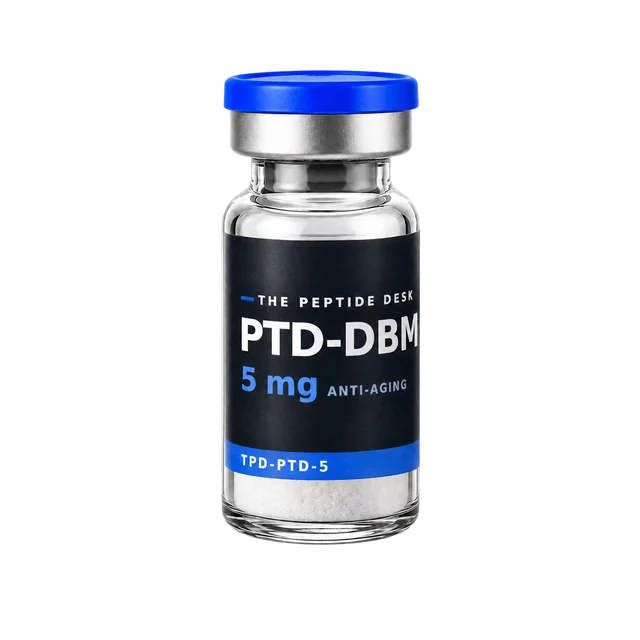
Description
Isotretinoin (Accutane, Roaccutane, 13-cis-retinoic acid) is an oral vitamin A derivative developed by Roche in the 1980s and approved for treatment of severe, therapy-resistant acne. The substance is among the most effective acne compounds overall with documented permanent remission rates.
Per study reports Isotretinoin acts at multiple levels: reduction of sebaceous gland size and sebum production by up to 90%, inhibition of follicular hyperkeratinization, anti-inflammatory action in acne tissue and reduction of Propionibacterium acnes growth. The substance is a retinoic acid receptor agonist.
Pharmacokinetically orally bioavailable with about 20-hour half-life. Dosed with fatty meal (substantially better bioavailability). Cumulative-dose concept: 120-150 mg/kg total dose over 5-6 months is clinical standard.
Known effects in studies are pronounced: dry skin and mucous membranes (lips, eyes, nose), elevated liver markers (ALT/AST), lipid profile changes (triglycerides, cholesterol), mood changes (depression in classical discussion controversial but documented), in rare cases pseudotumor cerebri. Strongly teratogenic - pregnancy absolute exclusion.
In recreational research practice Isotretinoin is often used in the bodybuilding community against steroid-induced acne - sebum production reduction addresses the main cause of anabolic acne.
You can order Isotretinoin as soft gelatin capsules with 10mg, 20mg or 40mg per capsule (10 capsules per blister) and as a bottle of 100 tablets at 10mg.
This information is for research and educational purposes only. No medical recommendations.
Risks & Safety
Isotretinoin is highly effective but has a pronounced and well-documented side effect profile, placing it above the mild compounds. Several of the documented effects are to be taken seriously.
Documented in clinical studies:
- Dryness: dry skin and mucous membranes on lips, eyes and nose is the most commonly documented effect and occurs in nearly all users.
- Teratogenicity: Isotretinoin is strongly teratogenic. In the literature, pregnancy is an absolute exclusion; this is the most serious safety aspect of the compound.
- Liver and lipids: elevated liver markers (ALT/AST) as well as changes in triglycerides and cholesterol are regularly documented.
- Mood changes: depressive mood is documented in the literature; the causal relationship remains discussed controversially.
- Rare neurological effects: in rare cases pseudotumor cerebri is described, particularly in combination with tetracyclines.
Monitoring via bloodwork is recommended. This classification does not replace medical advice. Risk and responsibility for any actual use lie entirely with the buyer.
Studies
- Retinoic Acid Embryopathy - NEJM 1985, Lammer et al: classical documentation of isotretinoin teratogenicity with characterization of the embryopathy pattern.
- Guidelines of care for acne vulgaris management - JAAD 2007, Strauss et al: AAD guidelines for acne treatment with isotretinoin dosing and monitoring.
- A Population-Based Analysis of Laboratory Abnormalities During Isotretinoin Therapy for Acne Vulgaris - Archives of Dermatology 2006, Zane et al: population-based analysis of liver and lipid changes under isotretinoin.
- Isotretinoin Therapy and Mood Changes in Adolescents With Moderate to Severe Acne - Archives of Dermatology 2005, Chia et al: prospective study of mood changes in adolescents on isotretinoin.
- The use of isotretinoin in acne - Dermato-Endocrinology 2009, Layton: comprehensive mechanism and application review of isotretinoin in acne therapy.