

Pasirinkite etiketę
rodoma tiesiai ant flakonoLaboratorijos ataskaitų: 2
 PDF
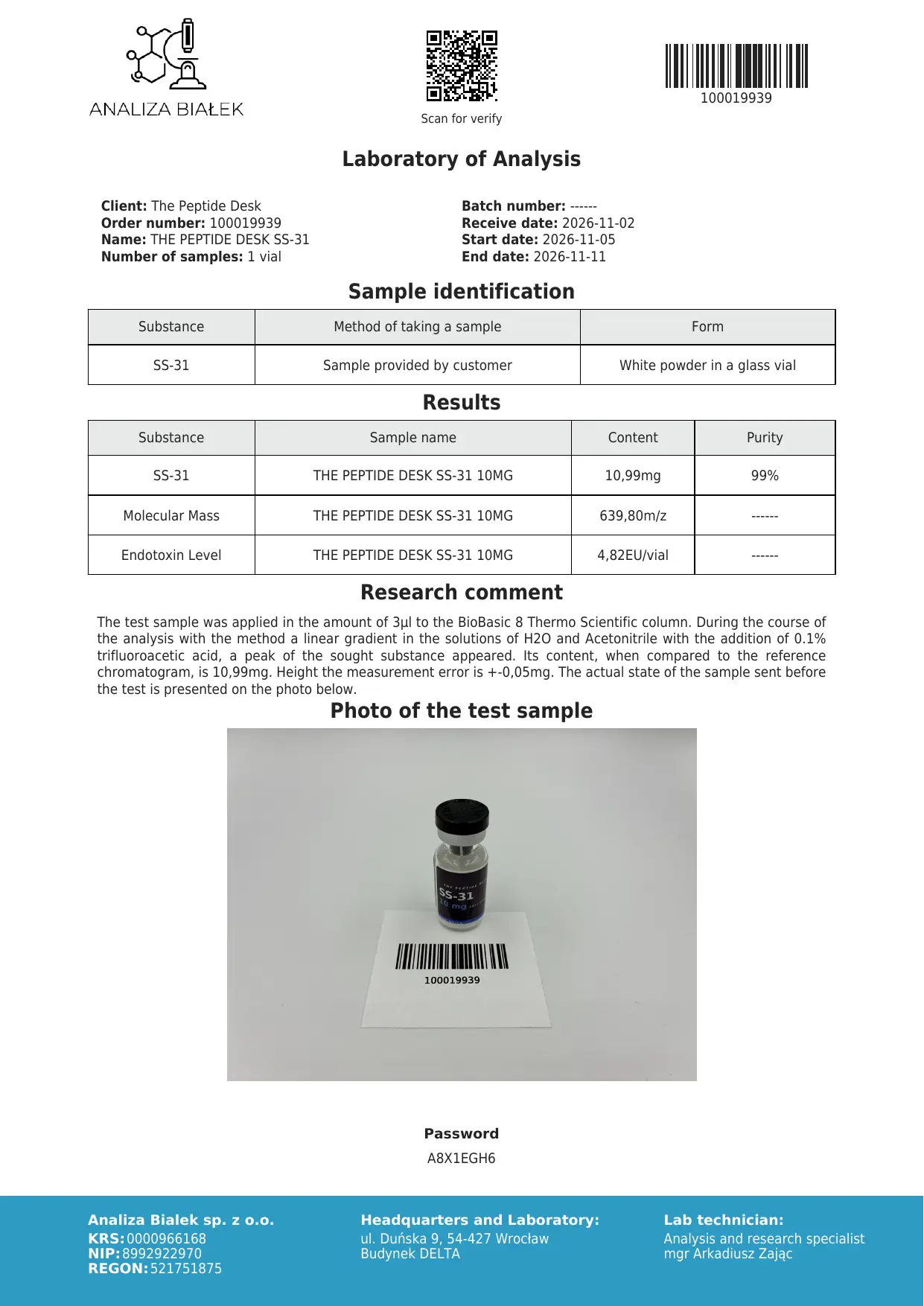
- Ištirta
- SS-31 10mg
- Laboratorija
- Analiza Białek
- Data
- November 2026
- Rezultatas
- 99% purity (10.99 mg measured)
- Endotoksinai
- 4.82 EU/vial
- Užsakymo nr.
- Slaptažodis
 PDF
- Ištirta
- SS-31 50mg
- Laboratorija
- Analiza Białek
- Data
- July 2026
- Rezultatas
- 99% purity (55.08 mg measured)
- Užsakymo nr.
- Slaptažodis
Ištirta nepriklausomai, su slaptažodžiu galima patikrinti tiesiogiai laboratorijoje.
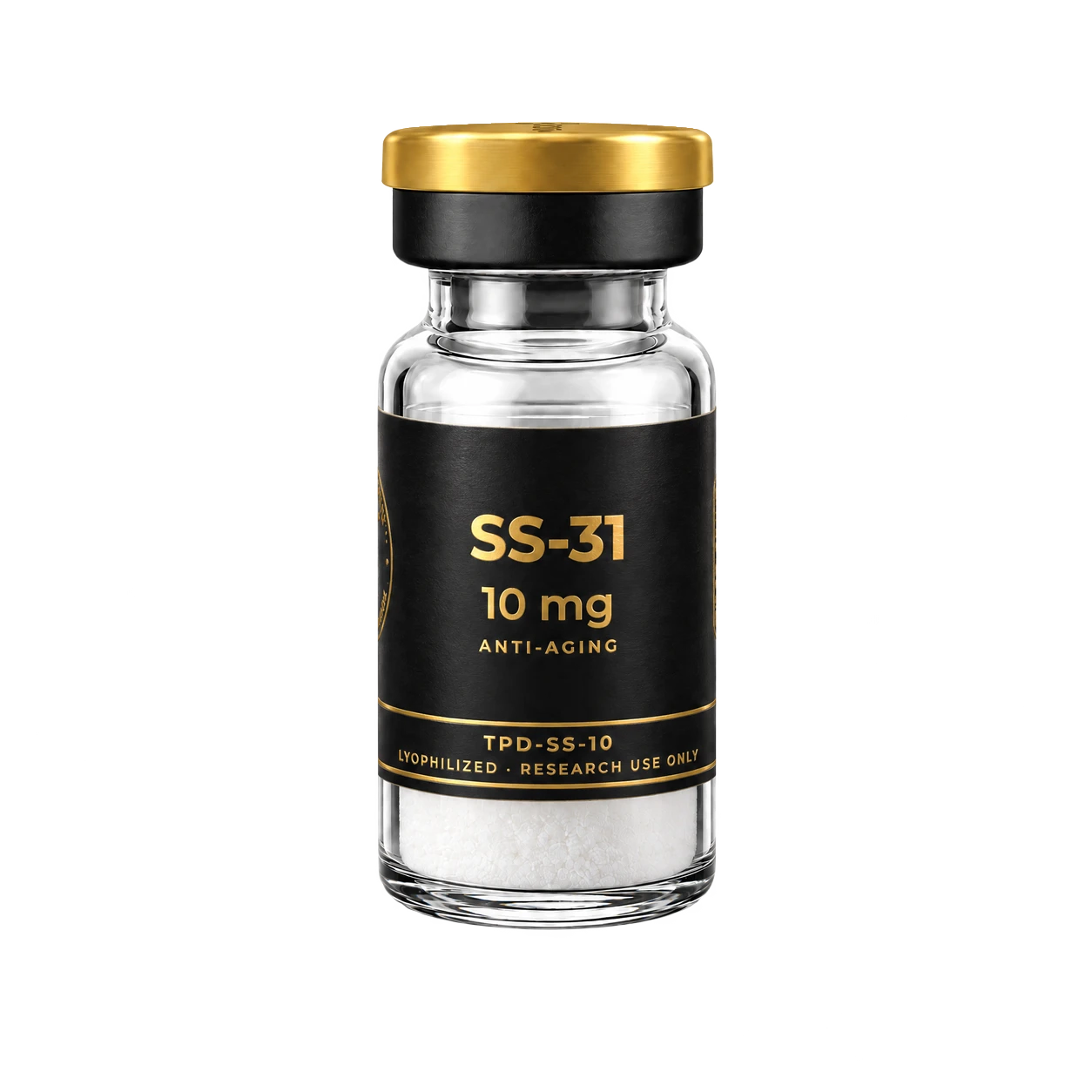
SS-31
Anti-Aging
- Patikrinta laboratorijoje · 99% grynumas
- Siunčiame iš Vokietijos
Užsakymas
- DHL su sekimu
- Diskreti pakuotė
Trumpai
SS-31 skaičiais
Pagrindiniai rodikliai iš mūsų žinyno.
Visas žinyno įrašas- Class
- Mitochondria-targeted peptide
- Half-life
- short
- Use
- Subcutaneousin mg
- Sizes
- 10 to 50 mg2 sizes in the shop
What studies show
The source in the lexicon- Karaa et al., Neurology, 2018
Žinios
Viskas apie SS-31
Išsami informacija netrukus.
Dozavimas
Įkeliama dozavimo informacija …
Pravers
Ko dar jums reikės
Bakteriostatinis vanduo į krepšelį pridedamas automatiškai. Švirkštai ir servetėlės - vienu paspaudimu.

Insulino švirkštai
10 vnt. · 5.50 €

Spiritinės servetėlės
50 vnt. · 10 €
Kiek vandens?
Vienetai ant švirkšto jūsų flakono dydžiui.
Atidaryti skaičiuoklę →Is SS-31 approved?
In the USA yes, but narrowly: since September 2025 there is an accelerated approval for Barth syndrome in people weighing at least 30 kg. It rests on more strength in the knee extensor muscle, full approval depends on a confirmatory trial that is currently recruiting according to the registry. Elamipretide is not listed in the medicines data of the European Medicines Agency (as of 25 October 2026).
How does SS-31 work?
SS-31 binds cardiolipin, a lipid of the inner mitochondrial membrane that shapes the cristae. In cell assays the peptide family SS-31 belongs to concentrated about 1,000-fold in this membrane. In animal models SS-31 protected the cristae during oxygen shortage, curbed a harmful reaction of cytochrome c and the cell rebuilt ATP faster afterwards.
What did research in mitochondrial myopathy show?
In the first trial (5 days of infusion, 36 participants) people at the highest study dose walked 64.5 m further on average in the 6-minute walk test, 20.4 m on placebo. The crossover trial with 30 people saw a 19.8 m difference, not statistically significant, but less fatigue. The phase 3 trial with 218 people over 24 weeks found no difference: minus 3.2 m versus placebo.
What came out in Barth syndrome?
In the crossover trial with 12 people (12 weeks each on the compound and on placebo) neither primary endpoint was met. In the open-label extension without placebo walking distance rose: by 95.9 m after 36 weeks and by 96.1 m in total after 168 weeks in the 8 remaining people. Fatigue was below baseline at every time point.
And for heart and eye?
In heart failure a single high infusion reduced the heart chamber volumes (minus 18 ml end-diastolic versus placebo), after 4 weeks of daily dosing there was no difference in 71 people. In heart attack the infarct did not get smaller. In dry macular degeneration the phase 2 trial missed its primary endpoints, but the photoreceptor layer was lost 43 to 47% more slowly. A phase 3 trial on this runs until 2027.
Which side effects were seen?
Most often injection-site reactions such as redness, pain, itching and induration, mostly mild. In the myopathy crossover trial 80% had such reactions. In trials of 30 days or longer eosinophils in the blood often rose and fell back after 6 to 12 months or after stopping. In the eye trial 86% on the compound and 71% on placebo reported some adverse event.
How long does SS-31 stay in the body?
Only briefly. Injected under the skin the level peaks after 0.5 to 1 hour, about 92% reaches the blood. SS-31 is broken down step by step into inactive fragments and almost completely excreted in the urine within 48 hours. After a single infusion it was no longer detectable 24 hours later. That is why the trials gave it daily.
Susiję
Susiję produktai
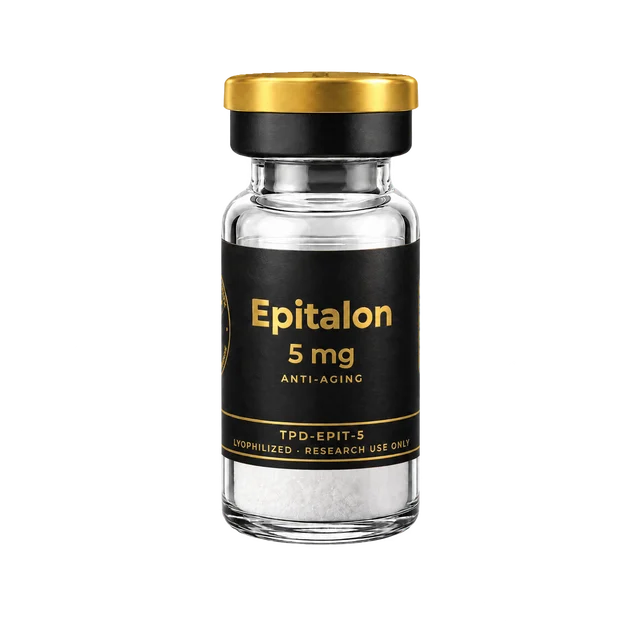
Epitalon
Peptidai · Senėjimo stabdymas Senėjimo stabdymas
Dydžių: 5
Patikrinta laboratorijoje
= nuo 11.6 €/flakonas

Epitalon Nasal
Peptidai · Senėjimo stabdymas Senėjimo stabdymas
1 dydis
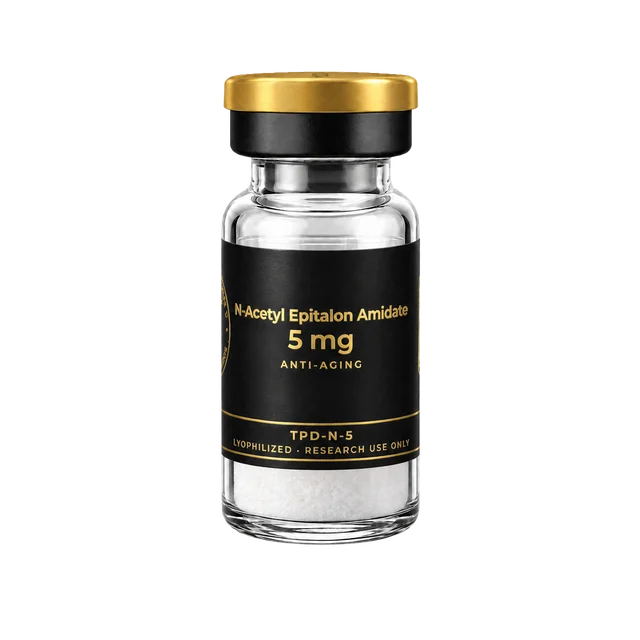
N-Acetyl Epitalon Amidate
Peptidai · Senėjimo stabdymas Senėjimo stabdymas
Dydžių: 2
= nuo 13.2 €/flakonas
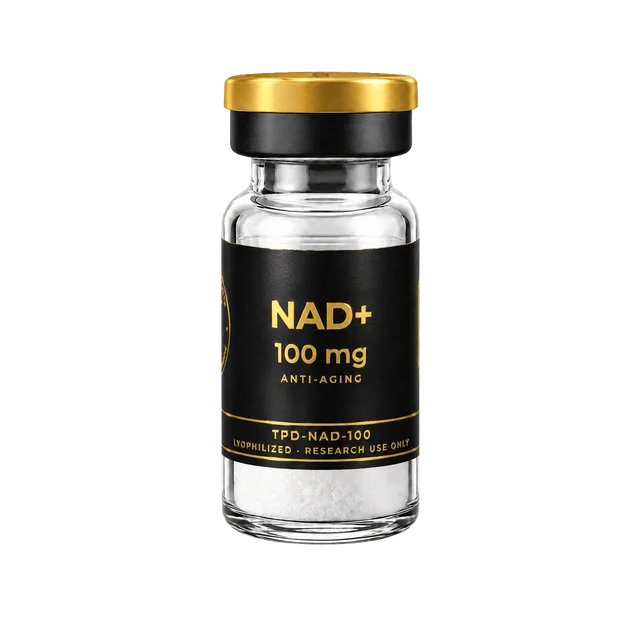
NAD+
Peptidai · Senėjimo stabdymas Senėjimo stabdymas
Dydžių: 4
Patikrinta laboratorijoje
= nuo 10 €/flakonas

SS-31

