Description
Cabergoline (Dostinex, Cabaser) is a long-acting dopamine D2 receptor agonist from the ergot alkaloid family. The substance acts selectively at the D2 receptor of pituitary lactotrope cells and there suppresses prolactin secretion potently and persistently.
Per study reports Cabergoline is the gold standard for treating hyperprolactinemia (clinical: prolactinoma). In anabolic research the compound is used for a specific phenomenon: certain anabolics - especially 19-nor derivatives like Nandrolon (Deca, NPP) and Trenbolone - raise prolactin levels and can trigger research findings like galactorrhea-like symptoms, lower libido and erectile problems that aren’t resolved by classical E2 control.
Cabergoline lowers prolactin quickly and sustainably: even single doses of 0.25-0.5mg reduce serum prolactin over 7 days. Typical research dosing for anabolic cycles is 0.25-0.5mg twice per week, depending on compound and sensitivity.
Important safety information: high-dose Cabergoline therapy (>3mg/week) was associated with cardiac valve thickening in Parkinson’s research. In typical anabolic accompanying dosing (max 1mg/week) this risk wasn’t observed, but the community is aware of the data.
Pharmacokinetically orally bioavailable with long half-life (65 hours). Known effects in studies: dizziness, nausea (especially at start), in rare cases orthostatic hypotension.
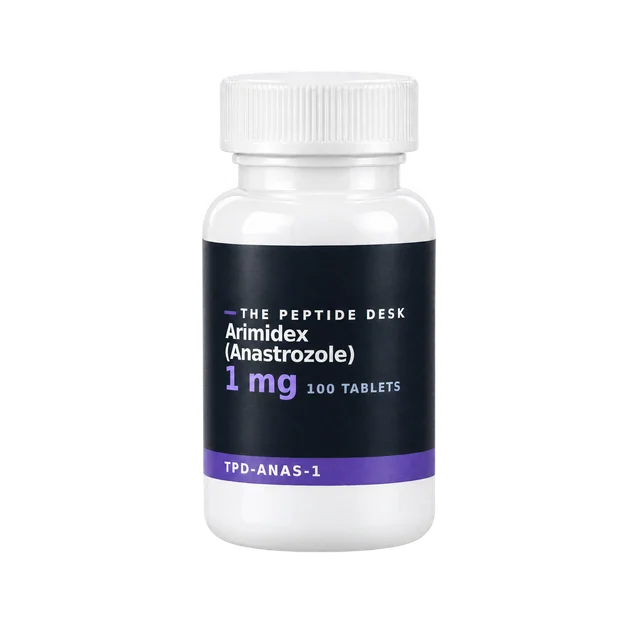
You can order Cabergoline as oral tablets in one bottle with 0.5mg per tablet.
This information is for research and educational purposes only. No medical recommendations.
Risks & Safety
Cabergoline sits in the mid range of the risk scale. As a dopamine agonist the compound is well characterized at standard dosing, with one known risk relating to high chronic dosing.
Documented in studies and the literature:
- Nausea: especially at the start of use, nausea is a frequently documented effect.
- Dizziness and hypotension: dizziness is documented, in rarer cases also orthostatic hypotension.
- Cardiac valve thickening: high-dose Cabergoline therapy above about 3mg per week was associated with cardiac valve thickening in Parkinson’s research - not observed at typical accompanying dosing, but relevant as a data point.
- Vivid dreams: altered and more intense dreams are an accompanying effect described in the literature.
Monitoring via bloodwork is recommended. This classification does not replace medical advice. Risk and responsibility for any actual use lie entirely with the buyer.
Studies
- A Comparison of Cabergoline and Bromocriptine in the Treatment of Hyperprolactinemic Amenorrhea - New England Journal of Medicine 1994, Webster et al: Gold-standard RCT on efficacy and tolerability versus bromocriptine.
- Dopamine Agonists and the Risk of Cardiac-Valve Regurgitation - New England Journal of Medicine 2007, Schade et al: Important safety study tying the valve risk to high dosing.
- Increased Prevalence of Tricuspid Regurgitation in Patients with Prolactinomas Chronically Treated with Cabergoline - Journal of Clinical Endocrinology & Metabolism 2008, Colao et al: Echocardiography study on the valve question in prolactinoma patients.
- Safety of long-term treatment with cabergoline on cardiac valve disease in patients with prolactinomas - European Journal of Endocrinology 2013, Auriemma et al: Long-term safety data on the cardiac valve question at standard dosing.
- A Follow-Up Study of the Prevalence of Valvular Heart Abnormalities in Hyperprolactinemic Patients Treated With Cabergoline - Journal of Clinical Endocrinology & Metabolism 2016, Drake et al: Follow-up study finding no significant valve abnormalities at standard dosing.