What is cabergoline?
Cabergoline (also called Caber, brand name Dostinex) is a long-acting dopamine D2 receptor agonist. It lowers blood prolactin very effectively with significantly fewer side effects than older dopamine agonists like bromocriptine.
Clinically approved for hyperprolactinemia and prolactinomas. In the performance world used to counter prolactin elevations from nandrolone, trenbolone or specific 19-nor steroids.
How it works
Cabergoline activates dopamine D2 receptors in the pituitary. That inhibits prolactin release at the source. Effect starts within hours and lasts days due to the long half-life (~70 hours) - so 1-2 doses per week are enough.
High prolactin is problematic: it suppresses testosterone, causes erectile dysfunction, gynecomastia and libido loss. Cabergoline solves the problem at the root.
Where it acts
Where cabergoline acted in studies
Tap a point or a card. Colour = D2 receptor, grey = observed according to the label.
- Pituitary
Activates D2 receptors, prolactin release falls5
D2 - Heart valves
Cases of valve changes, mostly at high doses in Parkinson's treatment3
Observed in trials - Lung and pleura
Fibrosis described, the label advises monitoring3
Observed in trials - Blood pressure
Drop in blood pressure on standing in 4 percent, dizziness in 15 percent3
Observed in trials - Stomach
Nausea less common than on bromocriptine1
Observed in trials
Targets in the ChEMBL database5
Compound CHEMBL1201087: one recorded mechanism, agonist with direct binding to the human receptor.

How to take it
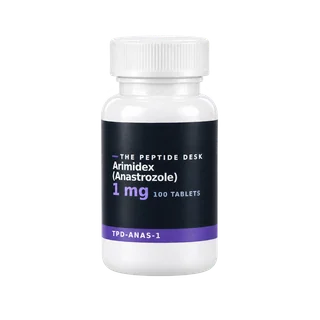
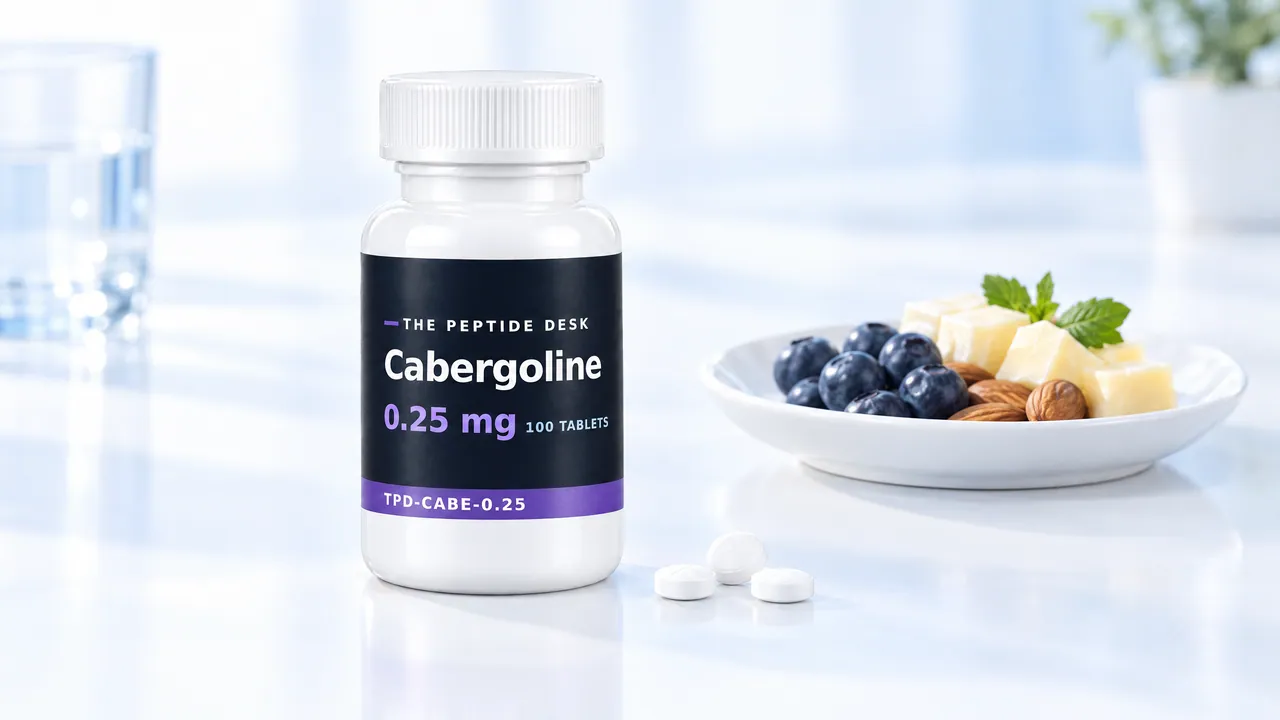
Oral tablet, with some food to minimize nausea.
- 1 tablet = typically 0.25mg or 0.5mg.
- With food significantly reduces nausea.
- Ideally in the evening before bed because the first hours can bring dizziness or mild fatigue.
Splitting into 2 doses per week (e.g. Wednesdays and Sundays) keeps levels more stable.
Dosing
Dosing
Dosing, titration and syringe
Loading the dosing information …
- Getting started and stepping up, drawn as a staircase
- Units on the U-100 syringe for every step
- How long one vial lasts
When you need it
Cabergoline is not for routine PCT but for targeted use with prolactin-relevant compounds:
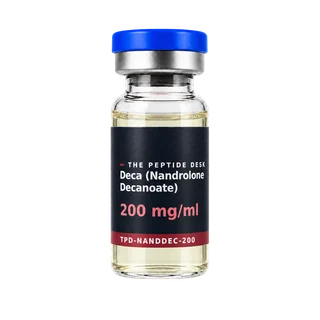
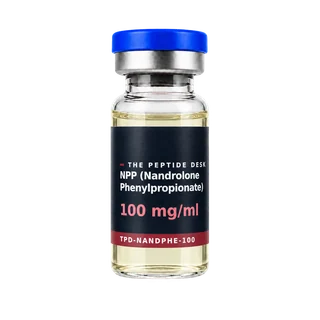
- Nandrolone cycles (Deca, NPP): nandrolone is 19-nor and progestin-active - classic prolactin driver.
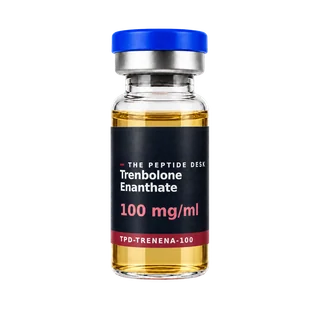
- Trenbolone cycles: tren has a progestin profile similar to nandrolone.
- Long MK-677 use: can moderately raise prolactin.
- By symptoms: dropping libido, erectile issues, gyno hint on nandrolone/tren.
For pure testosterone cycles without 19-nor compounds cabergoline is usually not needed.
Comparison
When cabergoline comes up in the lexicon
The entry names compounds that can raise prolactin according to the TPD lexicon. Tap a card to open its entry.
Simplified: how much these compounds raise prolactin is not measured in the sources checked here. Only the prolactin lowering by cabergoline is documented. 51
What the research shows
Cabergoline is clinically well validated:
- Webster et al. 1994: clear superiority over bromocriptine in hyperprolactinemia, plus better tolerability.
- Pascal-Vigneron et al. 1995: high success rate normalizing prolactin over months.
Study results
What the trials measured
Interactive: switch tabs, tap points, show or hide arms. Arms are named relative to each other, no dosing advice.
Results in women with raised prolactin1
459 women without periods due to excess prolactin, 8 weeks blinded, then 16 weeks open
Values from the abstract. Stomach and gut complaints were less frequent, milder and shorter on cabergoline.
Prolactin normal after 4 weeks3
188 women with raised prolactin, given twice a week
Values from the US label (study 1). An even lower group was not effective and is not shown there.
French comparison trial2
120 women from 21 centres, same design as the large trial
Bromocriptine value for prolactin calculated from 27 of 58, the abstract gives 48.2 percent there.

Research status
Where the research stands
Cabergoline has been approved since 1996. On ClinicalTrials.gov 83 trials list cabergoline, the large comparison trials from 1994 and 1995 are not listed there. Shown is a selection of trials testing cabergoline itself. As of 26 Oct 2026. 4
- Preclinical Inhibits prolactin release from the pituitary in cell studies
- Phase 1 no registered trial
- Phase 2 no registered trial
- Phase 3 5 trials, 3 completed
- Approval since 1996
Show all 6 phase 3 and 4 trials on a timelineHide timeline
NCT00625547 · 361 participants, started Jan 2003, primary endpoint reached Dec 2004.
Registry entry ↗ · Results not yet in PubMed
NCT03473613 · 230 participants, started Oct 2014, primary endpoint reached Apr 2017.
Registry entry ↗ · Results not yet in PubMed
NCT03271918 · 140 participants, started Feb 2015, primary endpoint reached Feb 2017.
Registry entry ↗ · Results not yet in PubMed
NCT07124221 · 382 participants (planned), started Sept 2025, primary endpoint planned Nov 2026.
SPARAGMOS · NCT07463235 · 70 participants (planned), started Mar 2026, primary endpoint planned Aug 2027.
ProBOLIC · NCT07045935 · 60 participants (planned), started Sept 2025, primary endpoint planned Dec 2029.
Bar: start to primary endpoint (planned for running trials). Green = completed, blue = progress until 26 Oct 2026.
Side effects
- Nausea: common in the first weeks, minimizable with food and slow titration.
- Dizziness: can occur on quick standing (orthostatic hypotension).
- Heart valves: according to the prescribing information valve changes occurred mostly at high doses (above 2mg per day) in Parkinson's treatment. There are also cases at lower doses for raised prolactin, though. The prescribing information therefore requires a heart ultrasound before starting and checks every 6 to 12 months, with existing valve disease cabergoline is ruled out there.
- Vivid dreams: some report intense dreams.
Tolerability
Side effects compared with placebo
Out of 100 participants per group, how many had the event over 4 weeks.
| Event | Placebo | Cabergoline |
|---|---|---|
| Nausea3 | 20% | 27% |
| Headache3 | 25% | 26% |
| Dizziness3 | 5% | 15% |
| Constipation3 | 0% | 10% |
| Drop in blood pressure on standing3 | 0% | 4% |
The placebo group was small with 20 women. Compared with bromocriptine nausea was less common (29 versus 43 percent), in the French trial stomach and gut complaints overall (36.6 versus 84.5 percent).32
Storage
Store dry and protected from light, out of reach of children. Keep original container closed.