Description
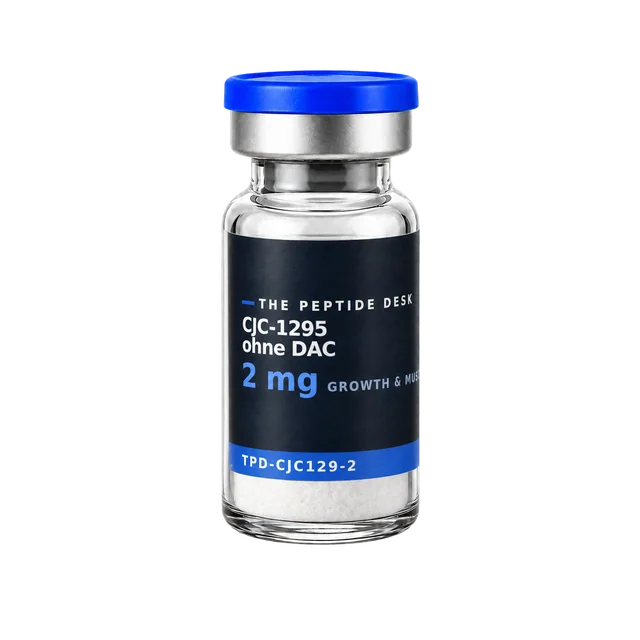
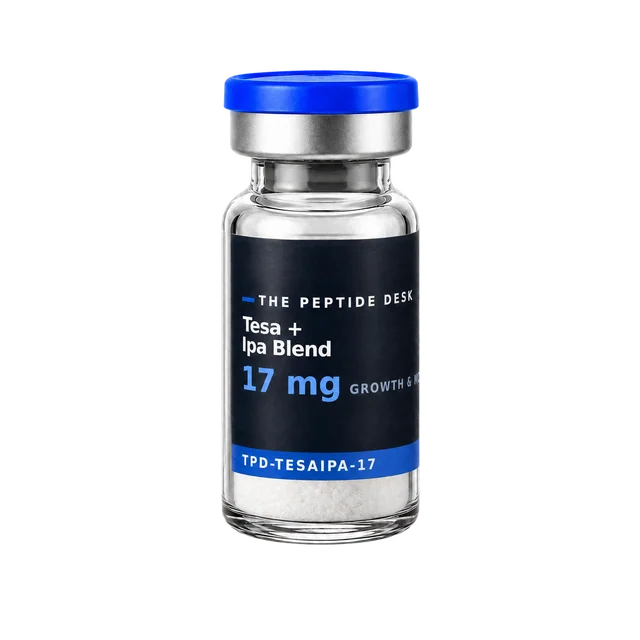
CP10 is a pre-mixed formulation of CJC-1295 without DAC (also Mod GRF 1-29) and Ipamorelin in a single 10mg vial. The combination ranks among the most-researched stack options in the field of growth hormone secretagogues in peptide research. Both components address the GH axis through distinct mechanisms, enabling synergistic effects in studies on GH pulsatility.
CJC-1295 without DAC is an analog of growth hormone-releasing hormone (GHRH) with a modified amino acid sequence for improved stability against proteolytic degradation. It binds to GHRH receptors on the anterior pituitary and stimulates GH release via cAMP signaling pathways. Ipamorelin, on the other hand, is a selective agonist of the growth hormone secretagogue receptor (GHS-R1a), the so-called ghrelin receptor. It triggers more direct and rapid GH release.
In research models, the combination is associated with markedly enhanced GH release profiles: 3-5 times higher GH peaks compared to monotherapy, without significant impact on cortisol or prolactin (in contrast to non-selective GHS such as GHRP-6). GH release occurs in a pulsatile, physiological pattern, which is discussed as a research advantage over direct HGH application.
CP10 is typically used across multiple research sessions per week. Pre-mixed means: both compounds are already present in defined ratio in one vial, reducing reconstitution complexity.
You can order CP10 in 10-vial packs at 10mg per vial.
This information is for research and educational purposes only. No medical recommendations.
Risks & Safety
CP10 is considered well tolerated per study reports. Both components - CJC-1295 without DAC and Ipamorelin - stimulate the body’s own GH secretion in a pulsatile, physiological pattern, with Ipamorelin not significantly affecting cortisol or prolactin in studies.
Observed in research and user reports:
- Injection site: mild redness, pressure or transient irritation at the injection site is the most common observation with subcutaneous use.
- GH-typical effects: as is common with GH secretagogues, the literature describes transient water retention as well as numbness or tingling in the hands (carpal-tunnel-type symptoms), usually dose-dependent and reversible.
- Glucose metabolism: elevated GH levels can raise fasting blood glucose and transiently reduce insulin sensitivity in studies.
- Fatigue: brief fatigue or grogginess after application is occasionally reported, consistent with the GH peak.
- No long-term data: robust long-term human studies for research use do not exist. The profile rests primarily on short-term studies and anecdotal experience.
This classification does not replace medical advice. Risk and responsibility for any actual use lie entirely with the buyer.
Studies
- Prolonged Stimulation of GH and IGF-I by CJC-1295 - Journal of Clinical Endocrinology & Metabolism 2006: Pharmacokinetics and efficacy profile of CJC-1295 in research settings.
- Ipamorelin, the first selective growth hormone secretagogue - European Journal of Endocrinology 1998: First publication on Ipamorelin selectivity over cortisol and prolactin.
- Pharmacokinetic-pharmacodynamic modeling of ipamorelin in human volunteers - Pharmaceutical Research 1999: Pharmacokinetic model for research applications.
- Human GHRF-albumin bioconjugates - identification of CJC-1295 - Endocrinology 2005: Mechanism study on GHRH receptor activation.