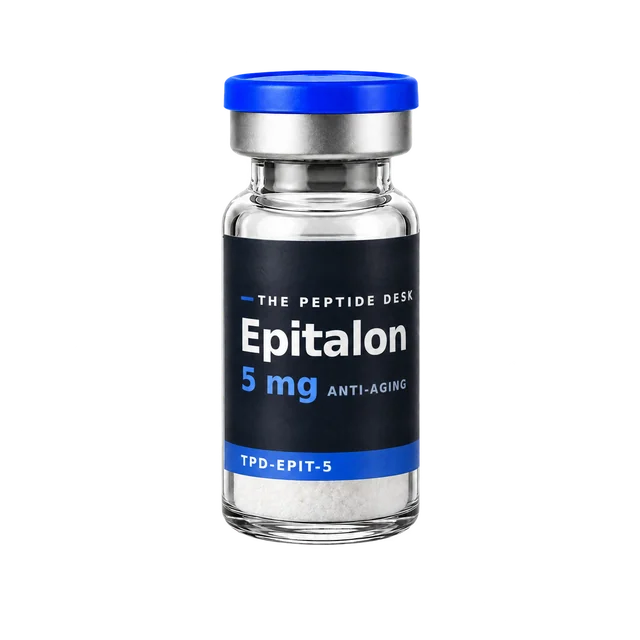
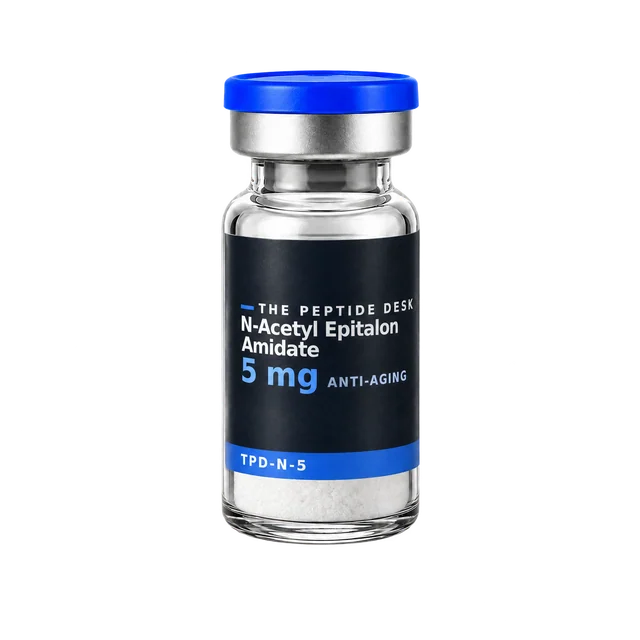
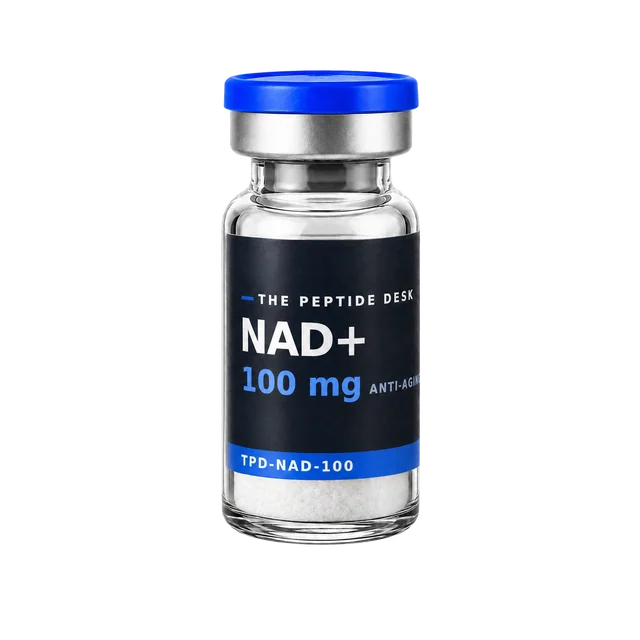
Description
Hyaluronic Acid (HA) is a linear glycosaminoglycan consisting of alternating D-glucuronic acid and N-acetyl-D-glucosamine units. Structurally, HA is not a peptide but a polysaccharide, but as a compound it has a substantial data base and is established in dermatological, orthopedic and ophthalmological research literature.
The research mechanism is multilayered. HA possesses exceptional water-binding capacity (up to 1000 times its own weight), making the compound a central element of extracellular matrix hydration. In skin, HA forms an important component of the dermis; in joints, HA is the main constituent of synovial fluid and mediates joint lubrication and shock absorption.
Beyond structural function, HA interacts with cellular receptors, especially CD44 and RHAMM, triggering signaling cascades in cell proliferation, migration and inflammation modulation. In preclinical studies, HA has been associated with effects on wound healing, tissue regeneration and anti-inflammatory pathways.
In research setups, HA is used in different molecular weights, each with distinct properties. High-molecular HA (>1 MDa) acts predominantly structurally and anti-inflammatorily, low-molecular HA (<200 kDa) shows rather pro-inflammatory and proliferative effects in research models. The choice of molecular weight variant is research design-dependent.
Hyaluronic Acid is available as a 5 mg powder vial in 10-vial packs.
This information is for research and educational purposes only. No medical recommendations.
Risks & Safety
Hyaluronic acid is an endogenous glycosaminoglycan and broadly established in dermatological, orthopedic and ophthalmological research, which is why it is considered very well tolerated.
Observed in research and user reports:
- Injection site: mild redness, swelling or pressure at the injection site is the most common observation with local application.
- Molecular weight dependence: in research models, high-molecular HA acts more structurally and anti-inflammatorily, low-molecular HA rather pro-inflammatorily and proliferatively. The profile depends directly on the variant used.
- Local reactions: beyond the injection site, the literature describes occasional transient tissue reactions.
- Limited long-term data: for the structural applications the data is good, but comprehensive studies on longer-term non-clinical use are lacking. The profile rests on the physiological role and study data.
This classification does not replace medical advice. Risk and responsibility for any actual use lie entirely with the buyer.
Studies
- Hyaluronan: its nature, distribution, functions and turnover - Journal of Internal Medicine 1997: Classic review: hyaluronan is a linear polysaccharide of exceptional molecular weight found in all tissues, to which functions such as lubrication and water homeostasis are assigned, with a half-life of less than one to several days in tissues and 2 to 5 minutes in blood.
- CD44 is the principal cell surface receptor for hyaluronate - Cell 1990: Identifies CD44 as the principal cell surface receptor for hyaluronate: soluble CD44 bound to tissue sections, binding was eliminated by pretreatment with hyaluronidase and could be blocked by hyaluronate.
- Hyaluronic acid: A key molecule in skin aging - Dermato-Endocrinology 2012: Review on skin: owing to its water-retaining capacity hyaluronic acid is regarded as the key molecule of skin moisture, with synthesis, degradation and receptors controlled by several gene families.
- Viscosupplementation for osteoarthritis of the knee: a systematic review and meta-analysis - Annals of Internal Medicine 2012: Meta-analysis of 89 trials with 12,667 adults on intra-articular injection for knee osteoarthritis: overall a small, clinically irrelevant effect on pain with an increased risk of serious adverse events.