Description
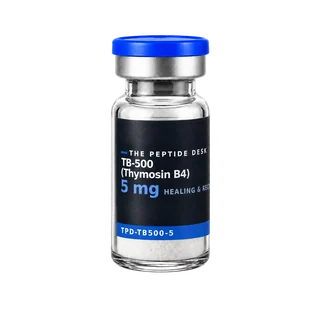
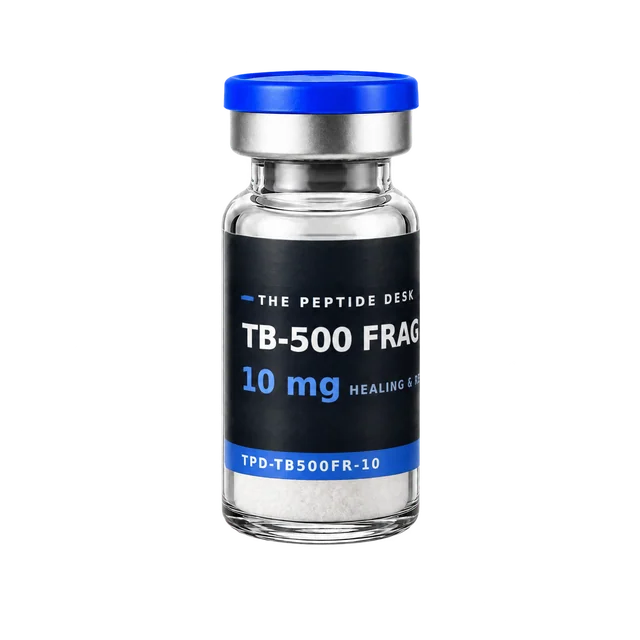
TB-500 is a synthetic peptide corresponding to an active region of the naturally occurring protein Thymosin Beta-4 (TB4). TB4 is found in nearly all human cells with the exception of erythrocytes and ranks among the most abundant proteins within the cell. It plays a central role in actin sequestration and consequently in cell migration.
Per study reports, TB-500 is associated with mechanisms such as promoting stem and progenitor cell migration to injury sites, stimulating angiogenesis (formation of new blood vessels) and modulating inflammatory signaling. The primary molecular approach lies in binding to G-actin, which is critical for steering cell movement and tissue repair.
In preclinical studies, effects on skin healing, corneal repair, cardiac tissue regeneration and neurological recovery have been investigated. Studies in diabetic and aged mouse models showed accelerated wound healing, making TB-500 interesting for research on impaired healing conditions. The FDA is currently reviewing TB-500 for possible inclusion on the 503A Bulk Drug Substances List.
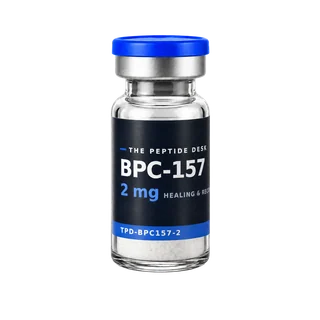
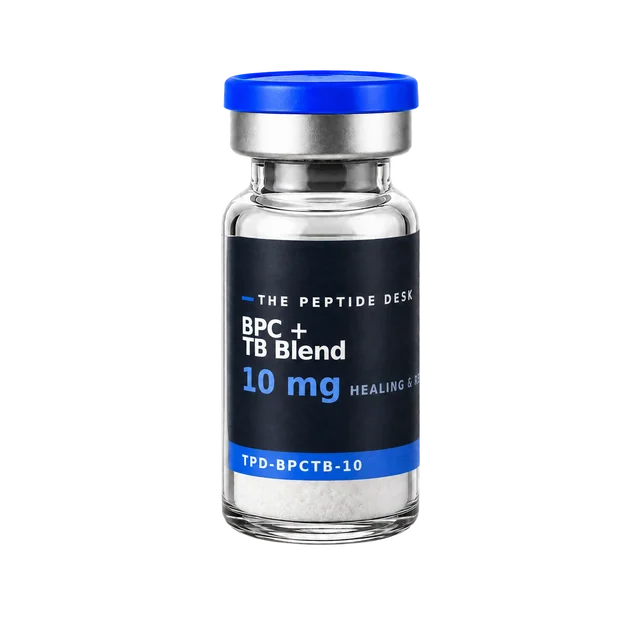
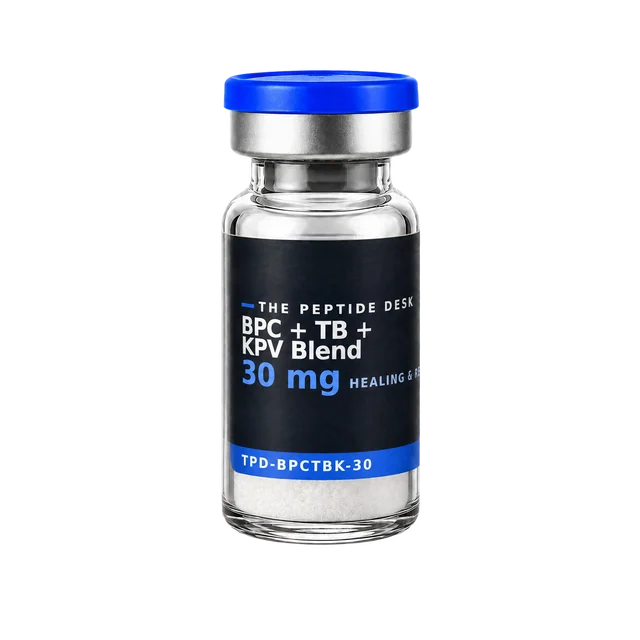
TB-500 consists of 43 amino acids with a molecular weight of 4982 Da. The N-terminus is acetylated, which is essential for function. In recovery research, TB-500 is frequently used alongside BPC-157, as both compounds address different phases of healing.
You can order TB-500 in 10-vial packs at 5mg and 10mg per vial.
This information is for research and educational purposes only. No medical recommendations.
Risks & Safety
TB-500 is considered well tolerated per study reports. Preclinical data spanning several decades documents a mild profile with no significant toxic effects in the models studied.
Observed in research and user reports:
- Injection site: mild redness, pressure or transient irritation at the injection site is the most common observation with subcutaneous use.
- Circulation: isolated reports of brief fatigue, mild dizziness or a feeling of warmth shortly after application.
- Angiogenesis effect: because TB-500 promotes the formation of new blood vessels in studies, the literature discusses a theoretical concern that existing abnormal tissue could also be supplied. No evidence supports this, but the point remains part of the research discussion.
- No long-term data: robust long-term human studies do not exist. The favorable safety profile rests primarily on animal models and short-term anecdotal experience.
This classification does not replace medical advice. Risk and responsibility for any actual use lie entirely with the buyer.
Studies
- Thymosin beta 4 promotes corneal wound healing and decreases inflammation in vivo following alkali injury - Experimental Eye Research 2002: In a mouse model of corneal alkali injury, topical thymosin β4 accelerated re-epithelialization and reduced inflammatory cell infiltration as well as mRNA levels of inflammatory cytokines and chemokines.
- Thymosin β4 and a synthetic peptide containing its actin-binding domain promote dermal wound repair - Wound Repair and Regeneration 2003: Accelerated wound healing in diabetic and aged mouse models.
- Progress on the Function and Application of Thymosin β4 - Frontiers in Endocrinology 2021: Current review on function and application research.
- Thymosin β4 increases hair growth by activation of hair follicle stem cells - FASEB Journal 2004: Effects on hair follicle stem cell activation.