Description
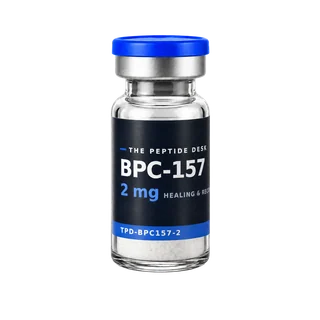
BPC-157 is a pentadecapeptide composed of 15 amino acids, originally isolated and synthesized from a protective sequence in human gastric juice. The name stands for Body Protection Compound. The substance shows remarkable stability and resistance to enzymatic degradation per study reports, distinguishing it from many other peptides.
Across more than two decades of research, BPC-157 has demonstrated effects in preclinical studies on a wide range of tissues: tendons, ligaments, muscles, bones, skin, gastrointestinal tract, cornea and nervous system. The mechanism is associated with activation of growth hormone receptors in tendon fibroblasts, promotion of fibroblast migration and modulation of NO synthesis pathways.
In studies on Achilles tendon healing following experimental injury, faster biomechanical and functional recovery was observed. Compared to classical growth factors such as TGF-β or EGF, BPC-157 demonstrates strong bioavailability without carrier systems in research models. The substance shows effects in both local and systemic application across studies.
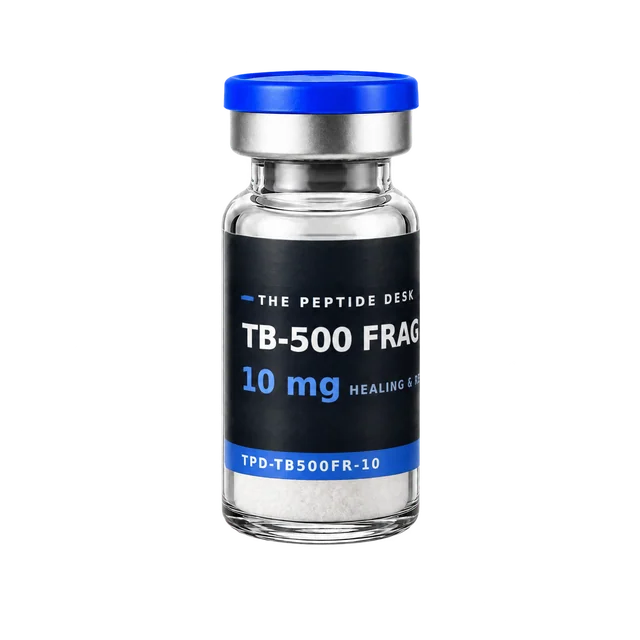
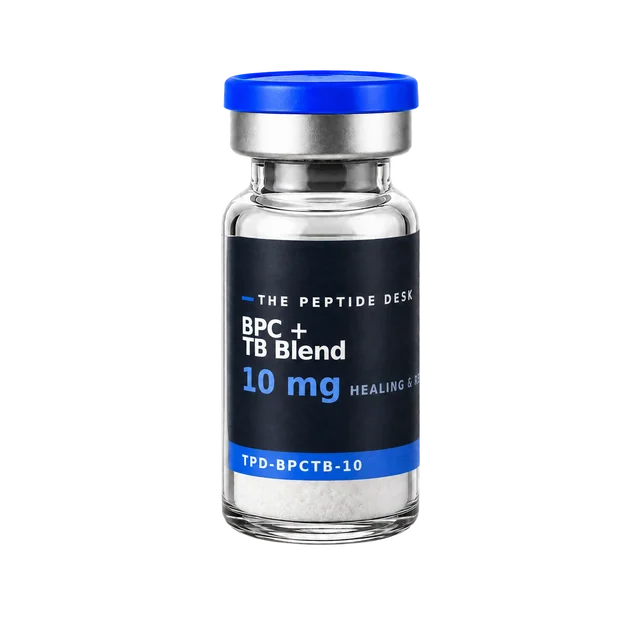
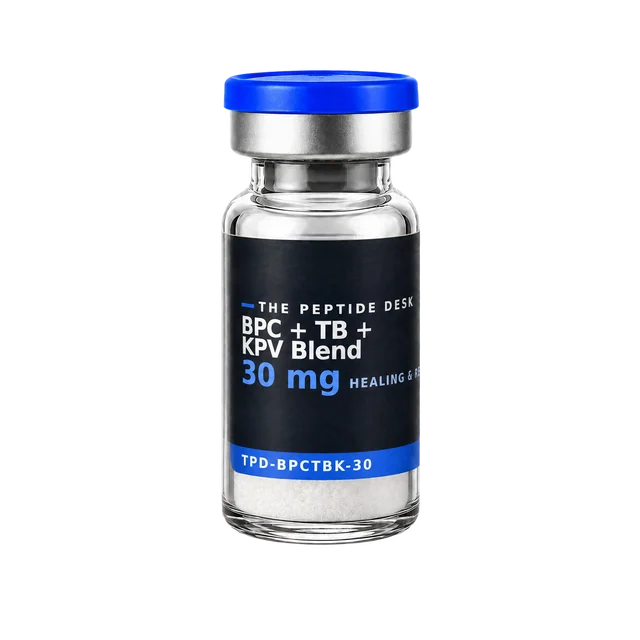
In bodybuilding and recovery research, BPC-157 ranks among the most-investigated compounds. It is frequently combined with TB-500 since both address distinct healing pathways.
You can order BPC-157 in 10-vial packs at 2mg, 5mg, 10mg or 20mg per vial. Size selection depends on duration and intensity of your research protocol.
This information is for research and educational purposes only. No medical recommendations.
Risks & Safety
BPC-157 is considered remarkably well tolerated per study reports. Across more than two decades of preclinical studies, no significant toxic effects have been documented, even at high dosages.
Observed in research and user reports:
- Injection site: mild redness, pressure or transient irritation at the injection site is the most common observation, particularly with subcutaneous use.
- Circulation: isolated reports of brief warmth, mild dizziness or fatigue shortly after application.
- No long-term data: robust long-term human studies do not exist. The favorable safety profile rests primarily on animal models and short-term anecdotal experience.
This classification does not replace medical advice. Risk and responsibility for any actual use lie entirely with the buyer.
Studies
- Pentadecapeptide BPC 157 enhances the growth hormone receptor expression in tendon fibroblasts - Molecules 2014: Cell culture study in rat tendon fibroblasts in which BPC 157 increased growth hormone receptor expression in a dose- and time-dependent manner. Added growth hormone then enhanced cell proliferation.
- BPC 157 Therapy After Surgical Quadriceps Muscle Detachment in Rats - Pharmaceutics 2025: Recent study on muscle-to-bone reattachment.
- Gastric pentadecapeptide body protection compound BPC 157 and its role in accelerating musculoskeletal soft tissue healing - Cell and Tissue Research 2019: Critical review of tendon, ligament and muscle models: consistently positive findings, but almost exclusively from rodent studies by a handful of research groups, with confirmation in humans still pending.
- BPC 157 and Striated, Smooth, and Heart Muscle - Biomedicines 2022: Review of effects on various muscle tissue types.