Description
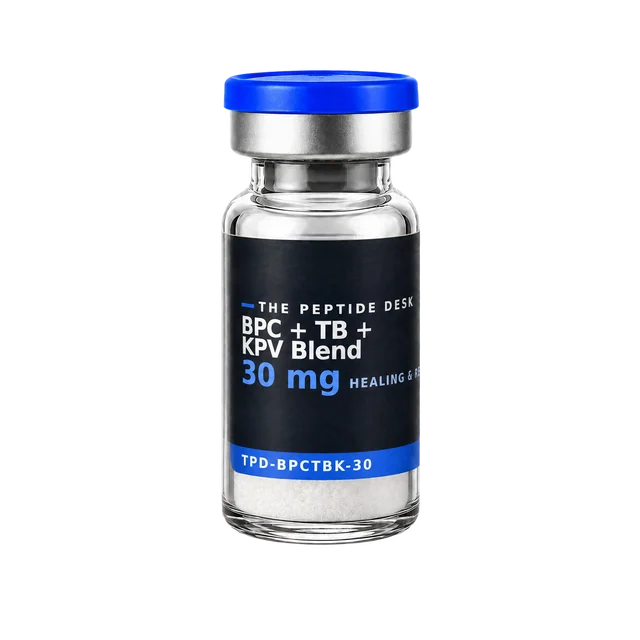
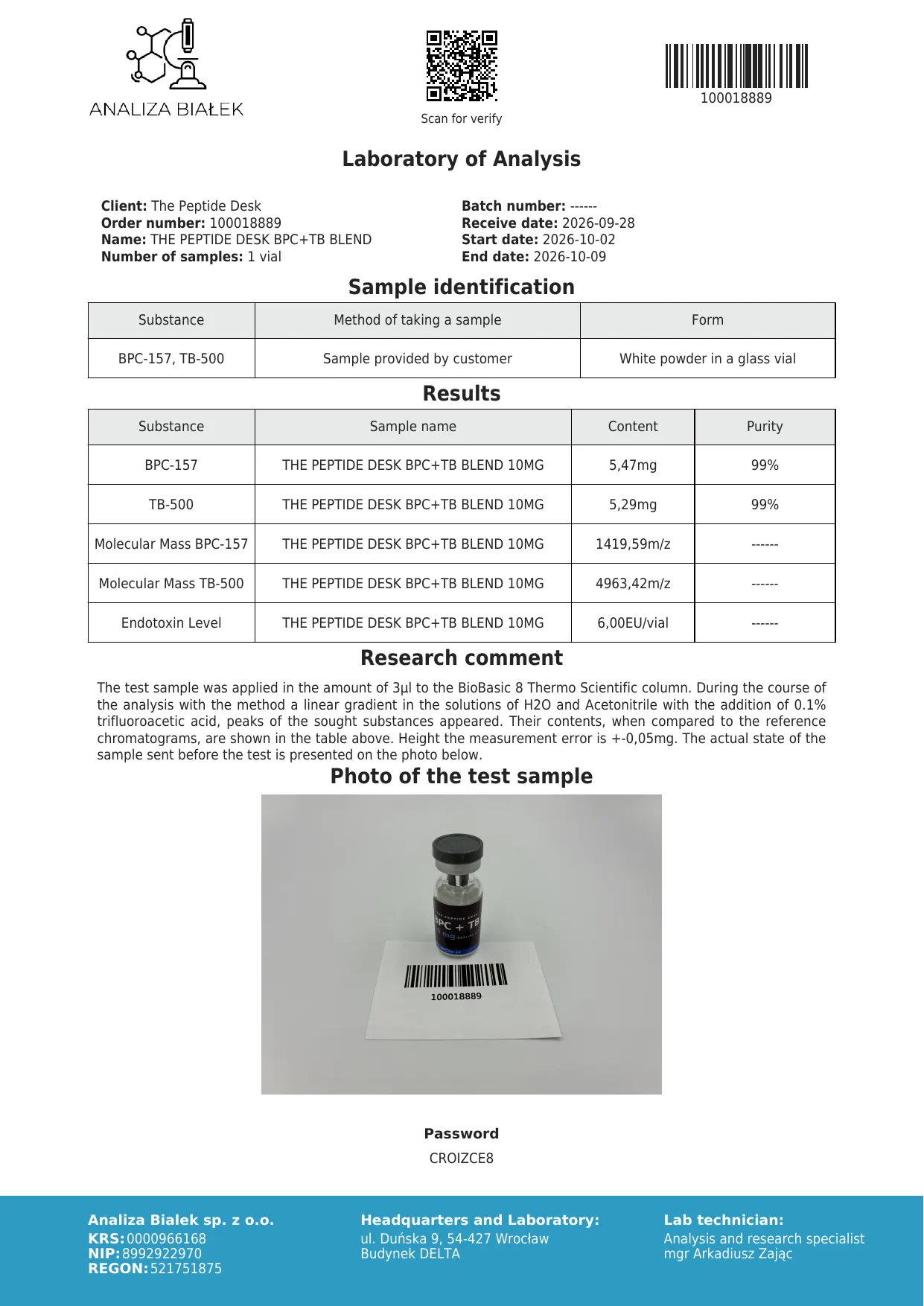
BPC+TB Blend is a pre-mixed formulation of BPC-157 (Body Protection Compound) and TB-500 (Thymosin Beta-4 Fragment), the two most extensively studied compounds in regenerative research. Both have been discussed together in research literature for decades, as they address different but complementary pathways in tissue repair.
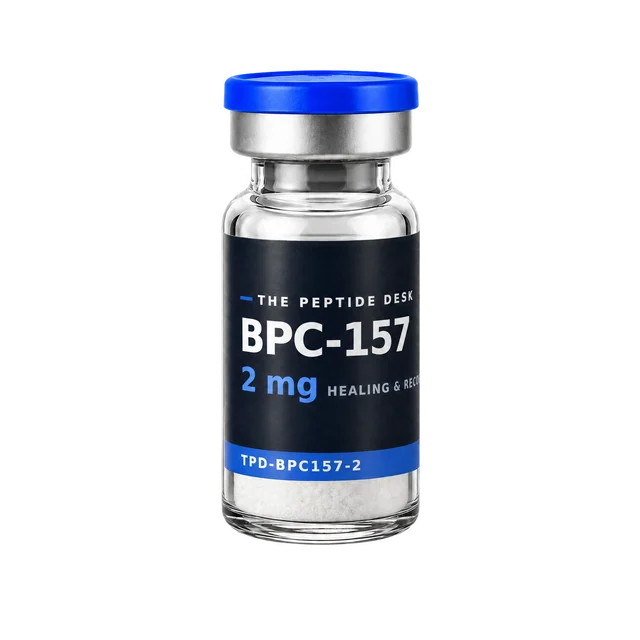
BPC-157 is a 15-amino-acid peptide derived from an endogenous gastric mucosa protein. In preclinical studies (especially from the Sikiric program in Zagreb), it shows consistent effects on tendons, ligaments, gastrointestinal mucosa and connective tissue. Mechanism: modulation of the nitric oxide axis, promotion of angiogenesis, anti-inflammatory effects in multiple tissues.
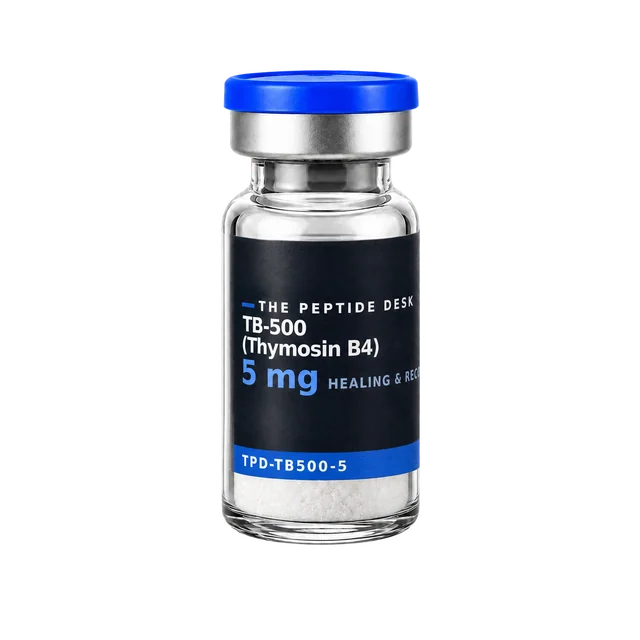
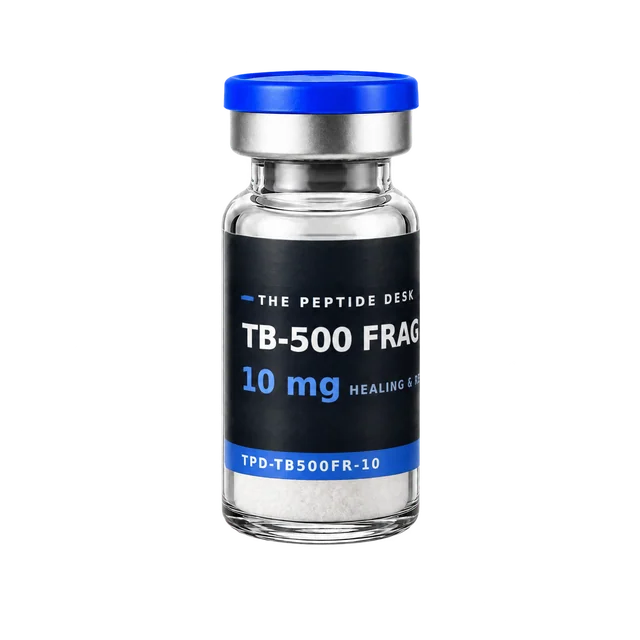
TB-500 is a synthetic fragment of the natural thymosin beta-4 protein. In contrast to BPC-157, TB-500 acts more strongly at the cellular level through actin sequestration, which supports cell migration, angiogenesis and stem cell mobilization in preclinical models.
The advantage of the pre-mixed blend: one reconstitution step, one application volume, one defined ratio. In research setups running multiple weeks, this substantially reduces operational complexity. The ratio is optimized for the typical research configuration.
The reconstituted solution is clear to slightly opalescent. Refrigerator storage after reconstitution.
BPC+TB Blend is available in 20mg vials (10mg BPC-157 plus 10mg TB-500) as 10-vial packs.
This information is for research and educational purposes only. No medical recommendations.
Risks & Safety
BPC+TB Blend is considered well tolerated per study reports. Both components - BPC-157 and TB-500 - have a mild profile in the preclinical literature that carries over to the combined formulation.
Observed in research and user reports:
- Injection site: mild redness, pressure or transient irritation at the injection site is the most common observation with subcutaneous use.
- Circulation: isolated reports of brief warmth, mild dizziness or fatigue shortly after application.
- Angiogenesis effect of the TB-500 component: because TB-500 promotes the formation of new blood vessels in studies, the literature discusses a theoretical concern that existing abnormal tissue could also be supplied. No evidence supports this.
- No long-term data: robust long-term human studies do not exist for either component. The favorable safety profile rests primarily on animal models and short-term anecdotal experience. The blend form is additionally less well characterized than the individual compounds.
This classification does not replace medical advice. Risk and responsibility for any actual use lie entirely with the buyer.
Studies
- Effects of BPC-157 and TB-500 on Achilles tendon healing in rats: A histopathological and biomechanical study - Joint Diseases and Related Surgery 2026: Head-to-head comparison in a rat model of Achilles tendon repair: TB-500 and the combination significantly improved histological scores, BPC-157 alone only numerically. The combination conferred no additional benefit over either agent alone.
- The promoting effect of pentadecapeptide BPC 157 on tendon healing involves tendon outgrowth, cell survival, and cell migration - Journal of Applied Physiology 2011: Study on the BPC-157 component: in rat tendon fibroblasts, BPC 157 promoted outgrowth from tendon explants, survival under oxidative stress and cell migration, likely via the FAK-paxillin pathway.
- Thymosin beta4 accelerates wound healing - Journal of Investigative Dermatology 1999: Study on the thymosin β4 component: in a rat wound model, thymosin β4 increased re-epithelialization by up to 61% over controls, with more collagen deposition and angiogenesis.
- Injectable Peptide Therapy: A Primer for Orthopaedic and Sports Medicine Physicians - American Journal of Sports Medicine 2026: Narrative review for sports medicine: the findings on BPC-157 and TB-500 come largely from preclinical models. Robust human data on dosing, duration and safety are lacking.