Description
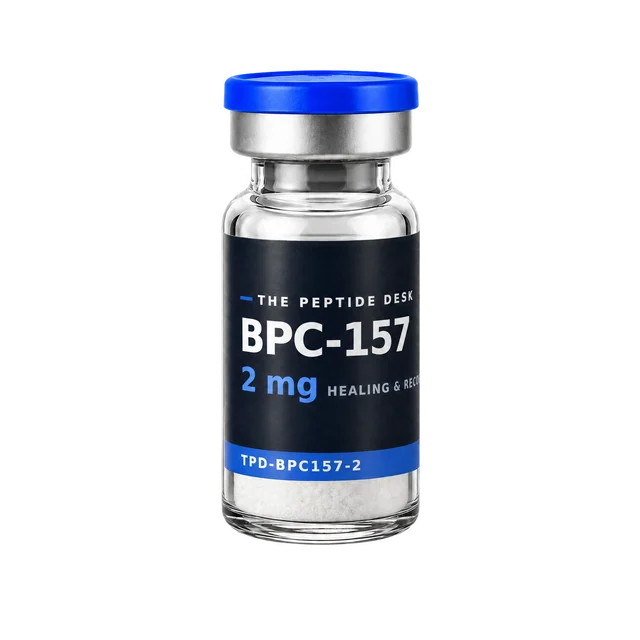
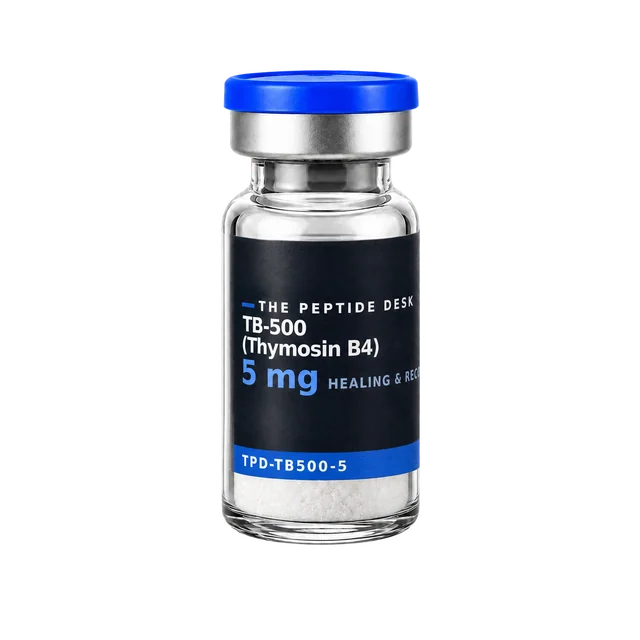
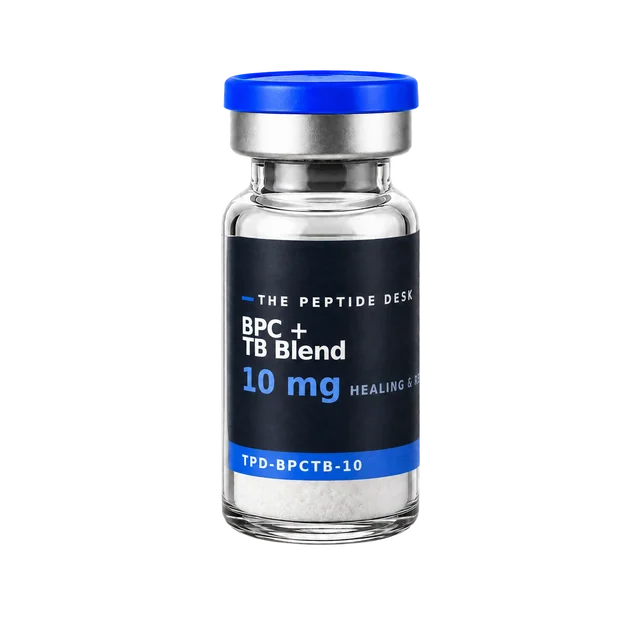
Glow Blend is a multi-peptide formulation combining three of the best-researched regenerative compounds in a single vial: 50mg GHK-Cu, 10mg BPC-157 and 10mg TB-500 (70mg total). Each component addresses different pathways in cell and tissue repair, making the formulation one of the most popular stack options in regenerative research.
GHK-Cu provides the copper component and acts in research models on collagen synthesis, glycosaminoglycan production and modulation of metalloproteinases. BPC-157 primarily addresses connective tissue, tendons, gastrointestinal mucosa and nitric oxide signaling. TB-500 acts via actin sequestration on cell migration, angiogenesis and inflammation modulation.
In research setups, Glow Blend is used for studies investigating multiple complementary repair pathways simultaneously. The advantage over single vials lies in reduced complexity: one reconstitution step, one vial in the research setup, a defined ratio of components.
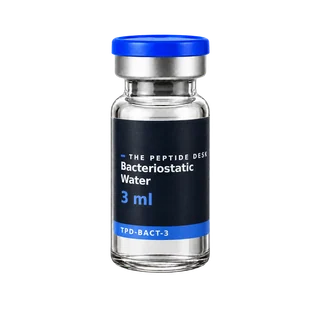
The formulation is delivered lyophilized and reconstituted with bacteriostatic water before use. Due to the high GHK-Cu concentration, the reconstituted solution shows a characteristic bluish color (copper complex). Refrigerated storage after reconstitution, freezing possible for long-term stability.
You can order Glow Blend in 10-vial packs at 70mg or 90mg per vial. The 90mg vial holds 70mg GHK-Cu, 10mg BPC-157 and 10mg TB-500, so more GHK-Cu with the same amount of BPC-157 and TB-500.
This information is for research and educational purposes only. No medical recommendations.
Risks & Safety
Glow Blend is considered well tolerated per study reports. The three components - GHK-Cu, BPC-157 and TB-500 - each have a mild profile in the preclinical literature that carries over to the combined formulation.
Observed in research and user reports:
- Injection site: mild redness, pressure or transient irritation at the injection site is the most common observation with subcutaneous use.
- Copper component: due to the high GHK-Cu concentration, the formulation can cause somewhat more pronounced local irritation at the injection site than pure peptide solutions.
- Angiogenesis effect of the TB-500 component: because TB-500 promotes the formation of new blood vessels in studies, a theoretical concern is discussed that existing abnormal tissue could also be supplied. No evidence supports this.
- No long-term data: robust long-term human studies do not exist for any of the three components. The favorable safety profile rests primarily on animal models and short-term anecdotal experience.
This classification does not replace medical advice. Risk and responsibility for any actual use lie entirely with the buyer.
Studies
- GHK Peptide as a Natural Modulator of Multiple Cellular Pathways in Skin Regeneration - BioMed Research International 2015: Mechanisms of the GHK component.
- Gastric pentadecapeptide body protection compound BPC 157 and its role in accelerating musculoskeletal soft tissue healing - Cell and Tissue Research 2019: Critical review of the BPC-157 component in tendon, ligament and muscle models: consistently positive findings, but almost exclusively from rodent studies, with confirmation in humans still pending.
- Progress on the Function and Application of Thymosin β4 - Frontiers in Endocrinology 2021: Research review on the TB-500 component.
- Regenerative and Protective Actions of GHK-Cu in the Light of New Gene Data - International Journal of Molecular Sciences 2018: Gene profiling data on GHK-Cu.
- Injectable Peptide Therapy: A Primer for Orthopaedic and Sports Medicine Physicians - American Journal of Sports Medicine 2026: Narrative review of BPC-157, TB-500 and GHK-Cu: the findings come largely from preclinical models, clinical data on dosing, duration and safety are lacking. The finished blend itself is not covered.