Description
PNC-27 is a 32-amino-acid peptide consisting of two domains: a p53-derived tumor suppressor sequence and a membrane-binding domain. The substance was developed by research teams at the State University of New York with research focus on selective tumor cell membrane disruption.
Per study reports PNC-27 binds selectively to HDM-2 (Human Double Minute 2), a protein overexpressed in many cancer cell types. Binding leads to membrane disruption and necrosis of HDM-2-positive cells, while healthy cells with low HDM-2 levels remain unaffected. Preclinical studies describe action against pancreatic, breast and leukemia cell lines.
PNC-27 is explicitly a compound of basic oncology research. The substance was never developed for human use; clinical studies are absent. Recreational use is limited to the oncology community setting.
Typical application in research settings is parenteral. Half-life of the unmodified form is short at about 30 minutes.
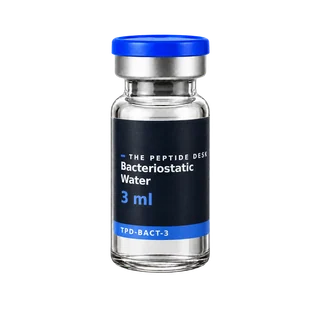
You can order PNC-27 as lyophilized peptide in 10-pack at 5mg per vial.
This information is for research and educational purposes only. No medical recommendations.
Risks & Safety
PNC-27 is a pure basic oncology compound. The substance was never developed for human use, clinical studies are entirely absent, which means the safety profile in humans is simply not characterized.
Documented in the preclinical literature:
- Membrane-disruptive mechanism: PNC-27 acts through membrane disruption and necrosis of HDM-2-positive cells. The selectivity for tumor cells has been described in cell models but is not validated in humans.
- No human data: no clinical safety studies exist. Statements on tolerability, dosing or side effects in humans cannot be derived from the literature.
- Injection site: as a parenterally applied peptide, irritation at the injection site is to be expected; this is not systematically documented in the research literature.
- Narrowly limited research context: PNC-27 is not established outside the basic oncology setting; any use beyond that moves entirely outside the available data.
This classification does not replace medical advice. Risk and responsibility for any actual use lie entirely with the buyer.
Studies
- The anti-cancer peptide, PNC-27, induces tumor cell lysis as the intact peptide - Cancer Chemotherapy and Pharmacology 2010, Sookraj et al: tumor cell lysis mechanism with the intact peptide.
- PNC-27, a Chimeric p53-Penetratin Peptide Binds to HDM-2 in a p53 Peptide-like Structure, Induces Selective Membrane-Pore Formation and Leads to Cancer Cell Lysis - Biomedicines 2022, Sarafraz-Yazdi et al: HDM-2 binding, membrane-pore formation and selective cancer cell lysis.
- Evaluation of PNC-27-mediated toxicity in an intraperitoneal mouse model of human ovarian cancer - Gynecologic Oncology 2013, Stevens et al: in-vivo toxicity profile in an ovarian carcinoma mouse model.
- Tumor cells surviving the cytotoxic effect of paclitaxel are sensitized to anti-cancer peptide PNC-27 - Gynecologic Oncology 2014, Alagkiozidis et al: paclitaxel-resistant cells sensitized to PNC-27.