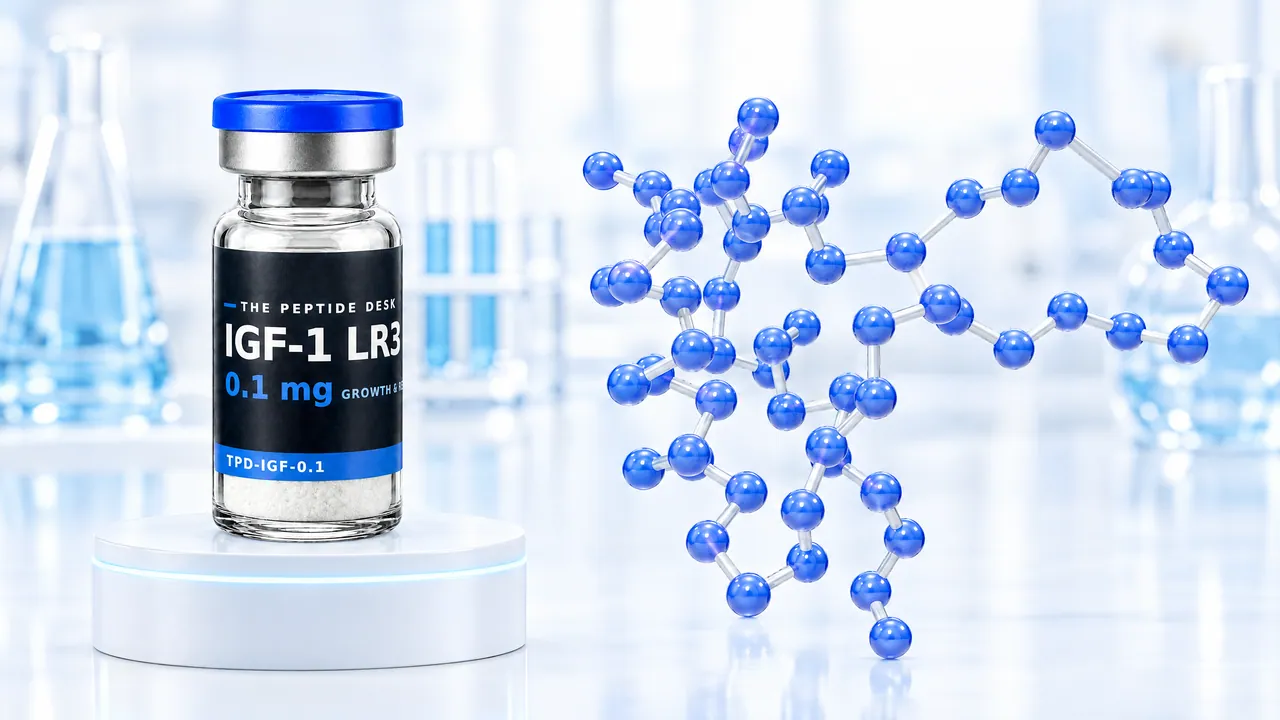
What is IGF-1 LR3?
IGF-1 LR3 (Long R3 IGF-1) is a modified form of insulin-like growth factor 1. Two changes to the sequence mean it barely binds the natural carrier proteins (IGFBPs). As a result more of it is free and active. It does leave the blood faster than natural IGF-1, but the effect lasts longer, for example the lowering of blood sugar (Tomas et al., 1996 and 1997).
In research IGF-1 LR3 is common mainly as a reagent for cell culture. In humans there is no approval and only a thin data record.
Comparison
Where on the GH-IGF-1 axis each one acts
From bottom to top: IGF-1 itself, growth hormone and the two triggers at the pituitary, as described in the TPD lexicon. Tap a card to open its entry.
Simplified: IGF-1 LR3 acts directly on the IGF-1 receptor. In pigs it suppressed the body's own growth hormone in doing so. 5
How it works
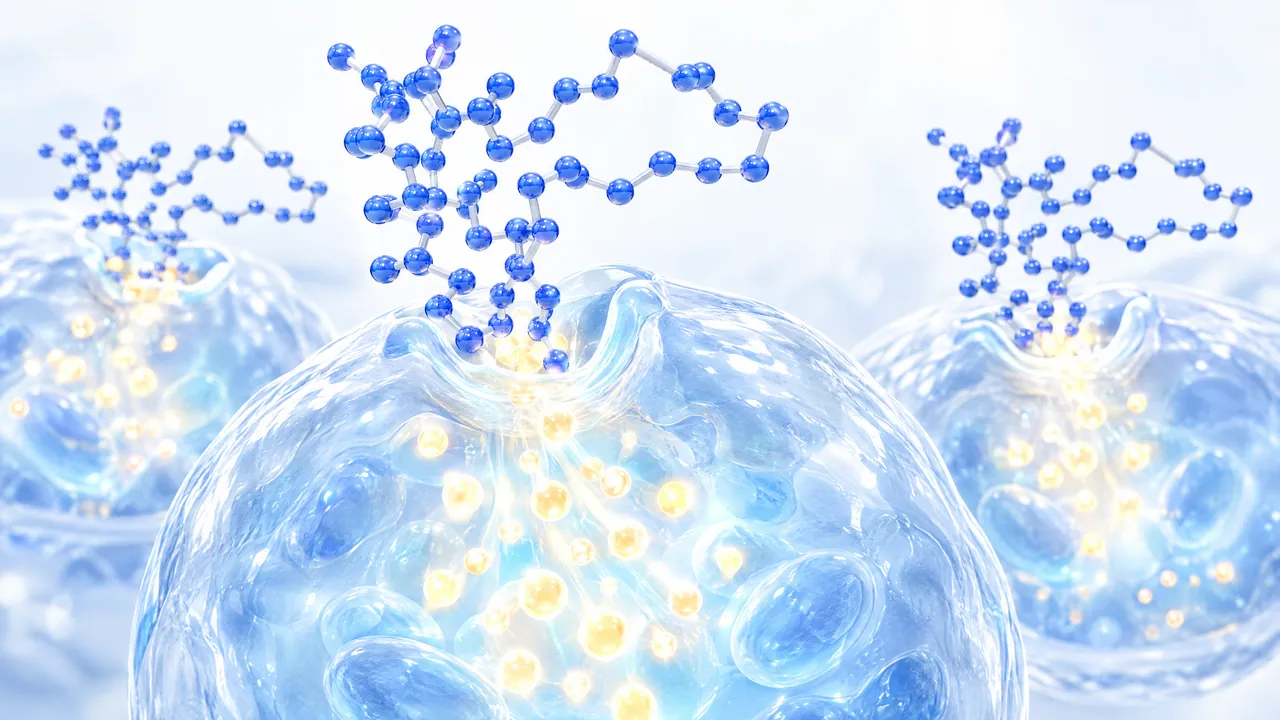
IGF-1 mediates many of the anabolic effects otherwise credited to growth hormone: it promotes cell growth, protein building and the uptake of nutrients into the cell. Through the IGF-1 receptor it also acts on muscle and connective tissue.
The LR3 variant is interesting because the weak carrier-protein binding makes it act longer than natural IGF-1, even though it is cleared from the blood faster. But that is exactly what makes it more potent and therefore more sensitive to dose.
Where it acts
Where LR3 acted in animal studies
Tap a point or a card. Colour = receptor, grey = observed. All from animal studies.
Known targets3
Compound IGF-1-Variante, nicht in ChEMBL: one described target, Activates the receptor like IGF-1, barely held back by binding proteins.
- Gene
- IGF1R
- UniProt
- P08069
- ChEMBL
- CHEMBL1957
- Action
- Activates the receptor like IGF-1, barely held back by binding proteins
What you need
Supplies
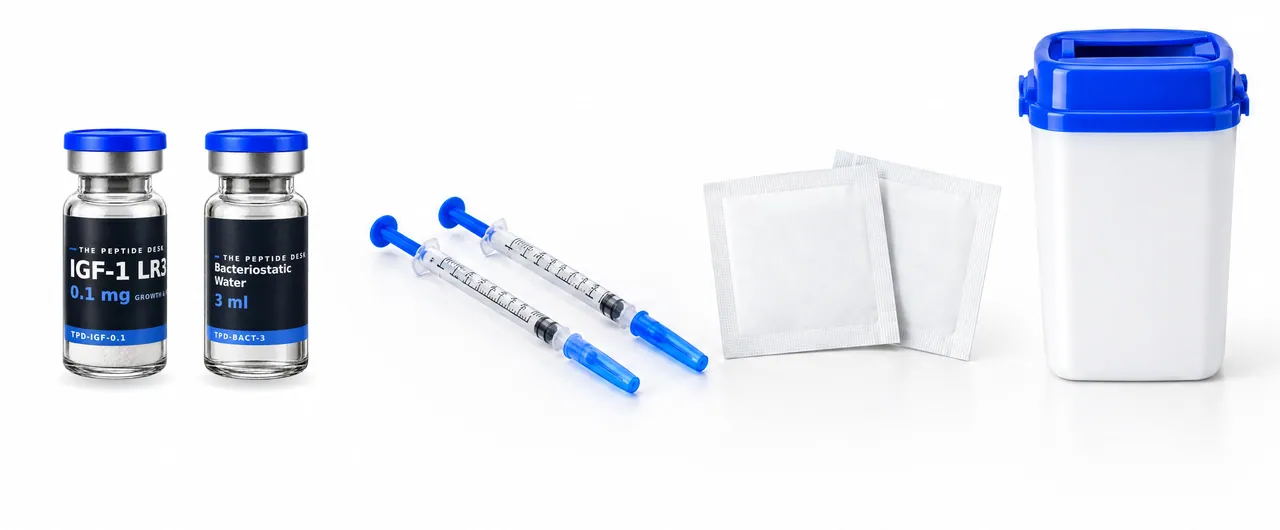
4 things, numbered as in the picture
Tick off what you already have. Vial and BAC water are our real shop photos at the same size.
-
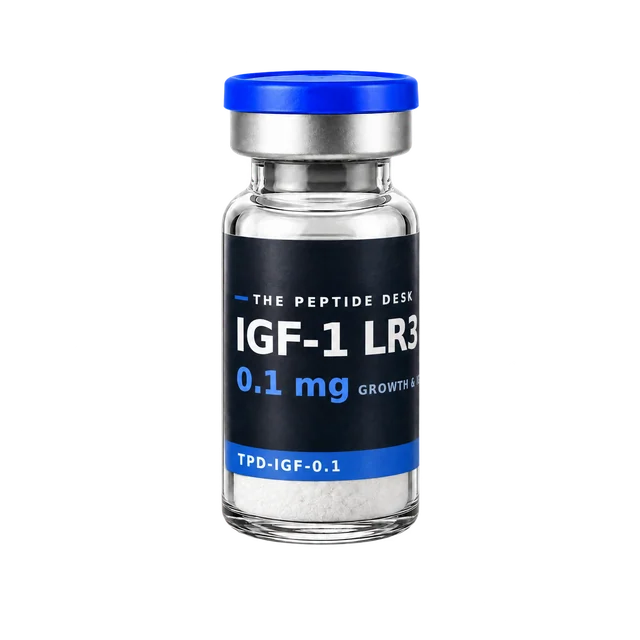
IGF-1 LR3 vial
The IGF-1 LR3 vial (lyophilized powder, usually 1mg).
-
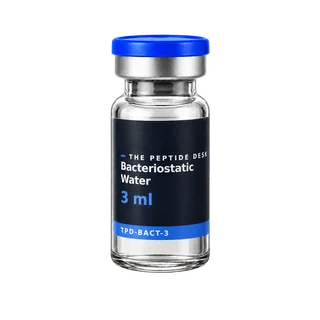
Bacteriostatic water
Bacteriostatic water for mixing.
-
U-100 insulin syringes
U-100 insulin syringes.
-
Alcohol swabs
Alcohol swabs and a clean workspace.
As an Amazon associate we earn from qualifying purchases. Links open Amazon - no extra cost for you.
Reconstitution
Use the peptide calculator: pick the vial size (usually 1mg) and water amount, it shows concentration and units per dose on the U-100 syringe.
A 1mg vial with 1ml bacteriostatic water gives 1000mcg per ml. A 50mcg dose is then 5 units on the insulin syringe. Just add the water and let it dissolve.
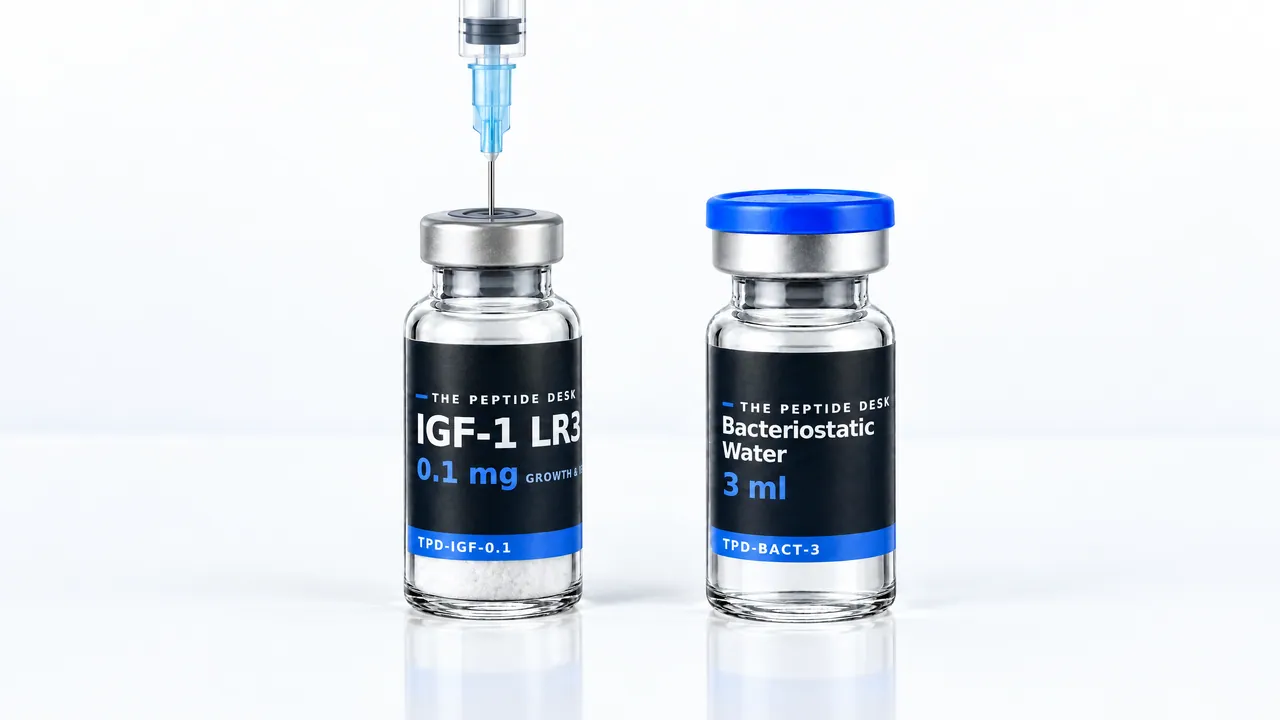
Step by step
Dissolving the powder
Four steps, the same for every vial size.
- 1Wipe the cap
Clean the rubber stopper with an alcohol swab.
- 2Add BAC water
Just add it, it does not matter if it hits the powder directly.
- 3Swirl or shake
Until everything has dissolved, both are fine.
- 4Draw up
With the U-100 insulin syringe.
Dosing
Dosing
Dosing, titration and syringe
Loading the dosing information …
- Getting started and stepping up, drawn as a staircase
- Units on the U-100 syringe for every step
- How long one vial lasts
Injection
The injection is subcutaneous, into the fat layer under the skin. Common spots are the abdomen (keep about two finger-widths clear of the navel), the front and the inner side of the thigh, or the back of the upper arm. Use the short insulin needle for this.
The short version:
Injection
Where and at what angle
Pick a spot or switch the angle. Subcutaneous means: into the fat layer, not the muscle.
Rotate the spot each time, never the same one twice in a row.
Rule of thumb: where there is more fat under the skin, insert straight at 90 degrees. In lean people with little fat, 45 degrees, so the needle stays in the fat layer. Simplified diagram.
-
Clean the spot with an alcohol swab and let it dry
-
Pinch up a small fold of skin
-
Insert the needle: at 90 degrees where there is more fat under the skin, at 45 degrees in lean people with little fat
-
Inject slowly, wait a moment, then withdraw
-
Put the needle straight into the sharps container
Rotate the site each time so the tissue does not get irritated. Never the same spot twice in a row.
Because IGF-1 acts insulin-like, watch for low-blood-sugar signs and do not overdose while fasted.
What the research shows
An older, cleanly published study (Tomas, 1993) compared natural IGF-1 with the LR3 variant in rats. Result: both promoted weight gain and nitrogen retention, but LR3-IGF-1 was markedly more potent because of the weak carrier-protein binding.
That supports the mechanism but it is animal research. Modern human studies specifically on LR3 and muscle building in healthy people are missing. No approval exists either.
Study results
What the trials measured
Interactive: switch tabs, tap points, show or hide arms. Arms are named relative to each other, no dosing advice.
How strongly IGF-1 variants lowered blood sugar3
Natural IGF-1 = 1, upper end of the range from the study
Several variants including LR3 were tested in pigs and marmosets. At equally strong lowering the low blood sugar of the variants lasted about twice as long overall.
What LR3 did to the body's own growth hormone5
Change after 4 days of infusion in finishing pigs
Along with the body's own GH, IGF-1, IGFBP-3 and insulin in the blood fell and the animals grew less. Extra GH did not reverse this effect.
Research status
Where the research stands
Where the compound stands on the way from lab research to approval. As of 26 Oct 2026.
- Preclinical Animal studies in rats, pigs and monkeys
- Phase 1 no registered trial
- Phase 2 no registered trial
- Phase 3 no registered trial
- Approval not yet
So far there is no registered trial in humans.
Side effects
- Insulin-like action with a risk of low blood sugar (shaking, sweating, ravenous hunger), especially fasted.
- Local reactions at the injection site.
- Theoretical concern: IGF-1 promotes cell growth generally, which can be critical with pre-existing growths. Long-term human safety data are missing.
Practice
-
Start low (around 20mcg) and watch closely.
-
Keep fast carbs handy in case of low-blood-sugar signs.
-
Limit cycles because of the fading receptor response.
-
Banned in official competition.
Storage
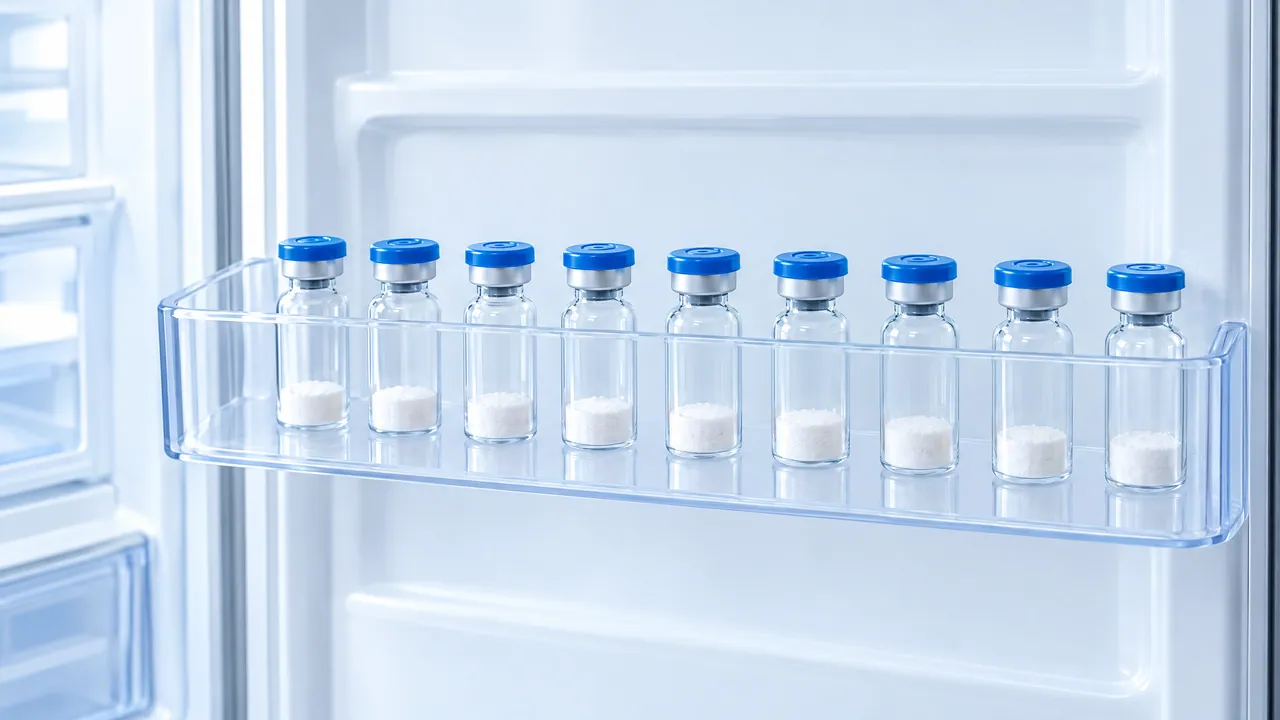
Before mixing the powder is robust, normal room temperature (around 20 to 25 degrees) is fine, ideally kept in the dark. After mixing, keep in the fridge (2 to 8 degrees), do not freeze. It stays good there for at least 4 to 6 months with barely any loss of potency, in practice considerably longer. Swirl or shake to mix, both are fine.
Shelf life
How long it keeps
Robust, no fridge needed. Keeps for several months without trouble.
At least 4 to 6 months with barely any loss of potency. The bacteriostatic water brings a preservative.
- Keep it dark
- Dissolved: 2 to 8 degrees
- Note the mixing date on the vial