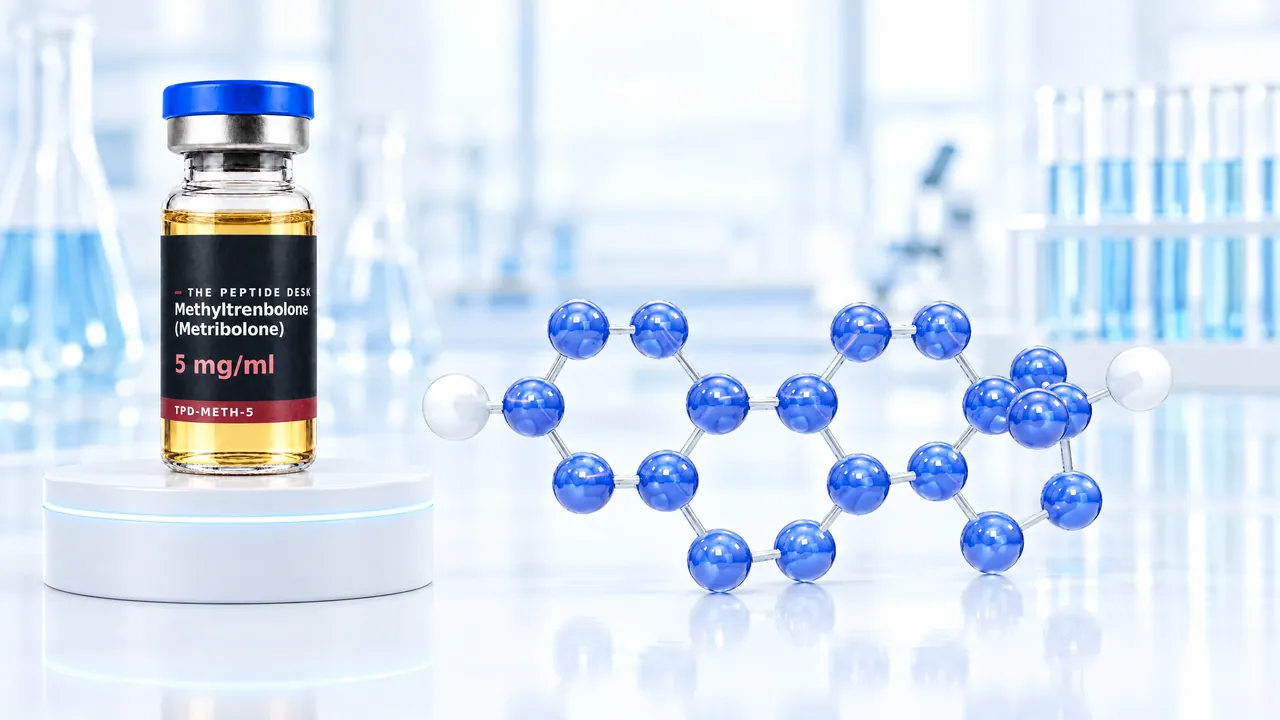
What is Methyltrenbolone?
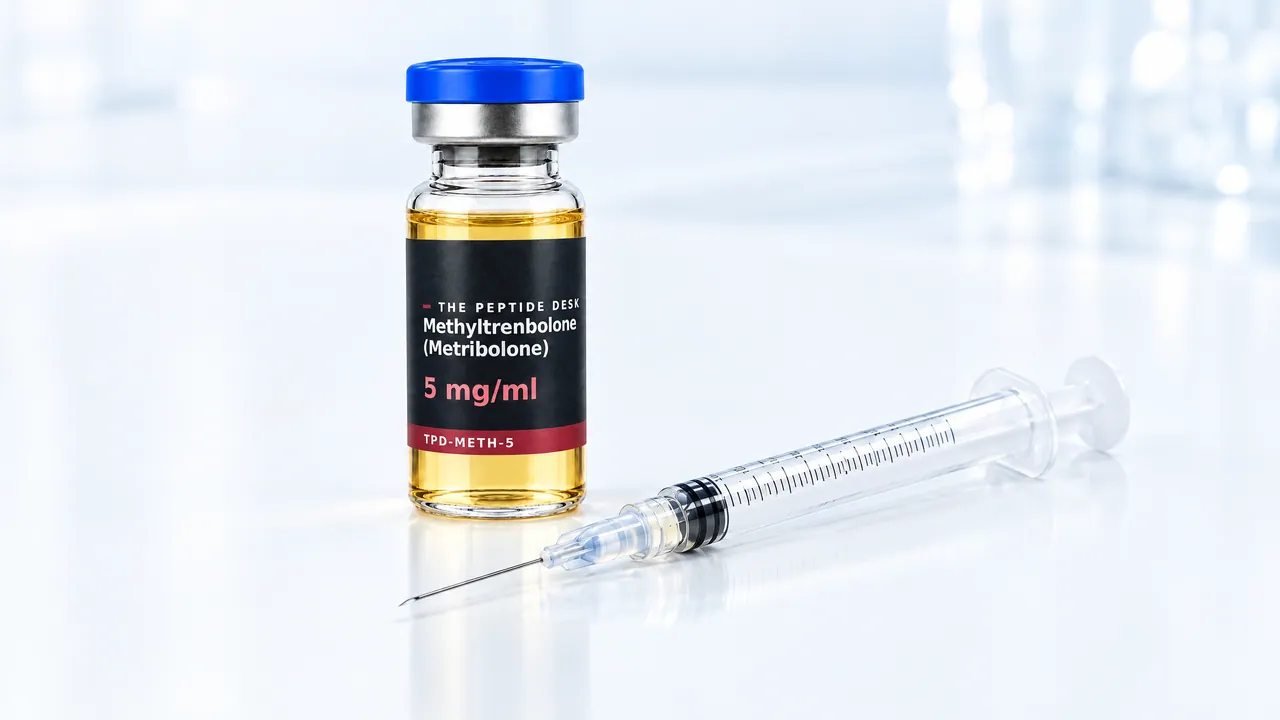
Methyltrenbolone (Metribolone) is a synthetic anabolic steroid based on the trenbolone backbone with a 17alpha-methyl group. This structure makes it one of the most potent anabolic steroids available - at a concentration of only 5 mg/ml, it already represents significant dosing strength.
The methyl group enhances oral bioavailability, but the oil form is administered via intramuscular injection. The extreme potency at very low doses requires special care in dosing and monitoring.
This information is for research and educational purposes only. No medical advice.
Comparison
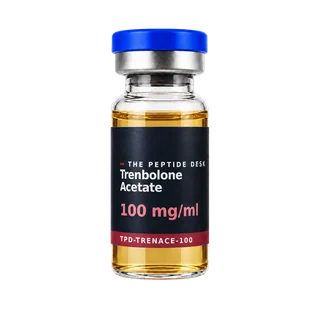
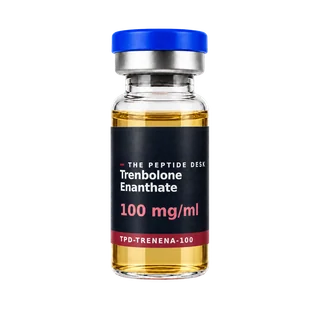
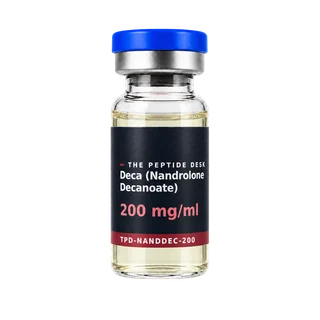
Trenbolone and relatives
Related 19-nor steroids at the androgen receptor, as described in the TPD lexicon. Tap a card to open its entry.
In a comparison study methyltrienolone bound most strongly of all steroids tested, ahead of nandrolone, methenolone and testosterone. 3
How it works
Methyltrenbolone has an exceptionally high affinity for the androgen receptor (AR) and shows minimal aromatization to estrogen. Its potency is often described as having an androgenicity index of approximately 500-600% of testosterone baseline.
- Extremely strong anabolic activity - rapid protein biosynthesis and nitrogen retention
- Strong androgenic signaling without typical estrogenic side effects (no aromatization potential)
- Intense HPG axis suppression - nearly complete inhibition of endogenous testosterone production
- Vascular effects: Enhanced capillary dilation, initial vascularity prominence, then potentially problematic
Where it acts
Where methyltrenbolone binds in experiments
Tap a point or a card. Colour = receptor, grey = observed. All from lab and animal studies.
- Prostate
Binds in rat and human prostate, in enlarged human tissue also to progestin-like sites1
ARPR - Skeletal muscle (rat)
Binds to androgen and additionally to glucocorticoid receptors7
ARGR - Kidney (collecting duct cells)
Blocked the effect of aldosterone on sodium transport6
MR - Hypothalamus (rat)
Tissue made no oestrogen from it, nor did placental enzymes8
Observed in trials - Liver
Early paper on liver toxicity from 196610
Observed in trials
Known targets4
Compound CHEMBL166444: four described targets, type of action on each card.
- Gene
- AR
- UniProt
- P10275
- ChEMBL
- CHEMBL1871
- Action
- Very tight binding (Ki 0.4 nmol/l)
- Gene
- NR3C2
- UniProt
- P08235
- ChEMBL
- CHEMBL1994
- Action
- Tight binding (Ki 0.54 nmol/l), acts as an antagonist
- Gene
- NR3C1
- UniProt
- P04150
- ChEMBL
- CHEMBL2034
- Action
- Weaker binding (Ki 9.65 nmol/l)

Application and dosing
Dosing
Dosing, titration and syringe
Loading the dosing information …
- Getting started and stepping up, drawn as a staircase
- Units on the U-100 syringe for every step
- How long one vial lasts
What the research shows
Research on methyltrenbolone is limited, as it has not been studied in large clinical trials due to its potency and side effect profile. However, reports from user experience and in vitro data suggest:
- Extreme muscle-building effects documented, often with weight gains of 10-15 lbs in 4-6 weeks in animal models
- Cardiovascular strain was substantial in models - hypertension and LDL elevation prominent
- Hepatotoxicity: Despite oil form, liver enzyme changes observed in some models
- Fertility recovery difficult and may take months
Study results
What the trials measured
Interactive: switch tabs, tap points, show or hide arms. Arms are named relative to each other, no dosing advice.
How tightly methyltrenbolone binds to four receptors4
Ki value in nmol/l, measured on receptors in HEK293 cell extracts, smaller means tighter
Methyltrenbolone was the reference compound for a new muscle drug in this paper, the values are listed in the ChEMBL activity data. A Ki value does not say whether a receptor is switched on or off.

Research status
Where the research stands
Methyltrenbolone serves mainly as a laboratory tool. There is no human trial on the registry. As of 26 Oct 2026. 13
- Preclinical Binding studies on prostate tissue and cells
- Phase 1 no registered trial
- Phase 2 no registered trial
- Phase 3 no registered trial
- Approval not yet
So far there is no registered trial in humans. 13
Side effects
Methyltrenbolone carries a substantial side effect profile due to its extreme potency.
- Cardiovascular: Blood pressure spikes, LDL cholesterol elevation, HDL reduction, possible left ventricular hypertrophy
- Androgenic: Intense acne, aggressive alopecia, facial/scalp oiliness, extreme libido increase
- HPG axis: Complete testosterone suppression typical - longer recovery required
- Hepatic: Potential hepatotoxicity despite oil form
- Renal: Potential creatinine elevation, especially under dehydration
- Psychiatric: Increased irritability, aggression, potentially severe mood swings
- Other: Headaches, sleep disturbances, appetite suppression
Storage
Methyltrenbolone oil must be stored at room temperature, protected from light. The oil solution is stable with correct handling.
- Temperature: 15-25°C ideal
- Light: Store in dark (original vials or amber glass)
- Moisture: Keep dry
- Shelf life: 2-3 years stable with proper storage
- Note: Small injection volumes require precise measurement - syringe-swap technique may be helpful