


Choose your label
shown right on the vialACP-105
SARMs
- Ships from Germany
Order
- DHL with tracking
- Discreet packaging
ACP-105 by the numbers
The key figures from our lexicon.
non-steroidal, partial agonist
daily
10 mg
1 size in the shop
What studies show
Discovery of ACP-105: partial androgen receptor agonist, anabolic effects in castrated rats over two weeks (opens in a new tab)Schlienger et al., J Med Chem, 2009
Alzheimer mouse model: ACP-105 reduced anxiety-like behaviour, combined with an ER-beta agonist lower amyloid and better memory (opens in a new tab)George et al., ACS Chem Neurosci, 2013
Irradiated female mice: motor coordination was preserved under ACP-105 (opens in a new tab)Dayger et al., Brain Res, 2011
For research and educational purposes only. Values from the TPD lexicon, sources linked there.
There is no lab analysis for ACP-105 yet. Vote for itAll lab analyses
Knowledge
Everything about ACP-105
Detailed information coming soon.
Is ACP-105 approved or studied in humans?
No. There is no approval and as of 26 October 2026 ClinicalTrials.gov lists no trial with ACP-105. In humans there is only one doping control paper in which one person took a single microdose to identify the metabolites in urine.
How does ACP-105 work?
ACP-105 binds the androgen receptor and only partly activates it, less than testosterone. It was found in a high-throughput screen. In castrated rats it improved anabolic readouts over two weeks.
What do the brain studies show?
In castrated mice of an Alzheimer model ACP-105 on its own lowered anxiety-like behaviour. Only together with an estrogen receptor beta agonist did amyloid-degrading enzymes rise, amyloid fall and memory improve. In irradiated female mice motor coordination was preserved with ACP-105.
How long does ACP-105 stay in the body?
This has never been measured in humans. A paper using seven computer models predicts a short half-life of about 1.2 hours and breakdown mainly via the liver enzyme CYP3A4. These are predictions, not measurements.
What is known about safety?
There are no human safety data for ACP-105 itself. A systematic review of SARMs in healthy adults found 15 case reports of liver injury. In clinical trials the liver enzyme ALT rose in a mean of 7.1 percent of participants. How strongly ACP-105 brakes the body's own hormone axis has not been measured.
Can ACP-105 be detected in doping control?
Yes. Even after a single microdose seven metabolites were found in urine. The authors propose the two main products with an added hydroxy group as detection targets.
Related
Related products
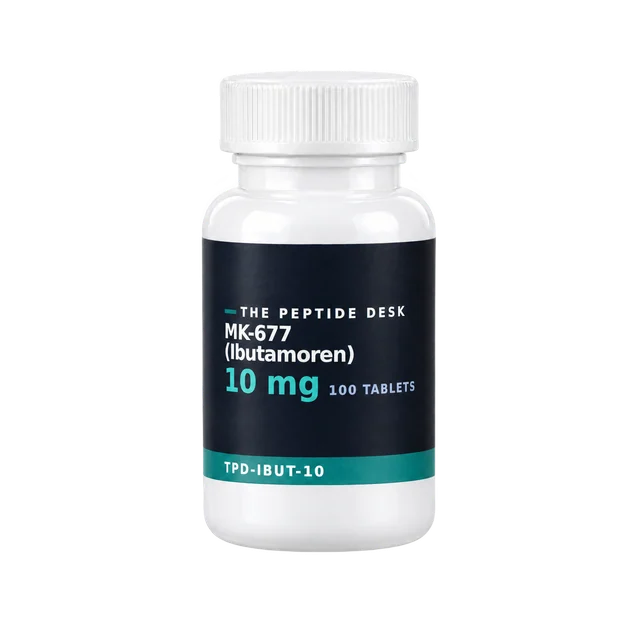

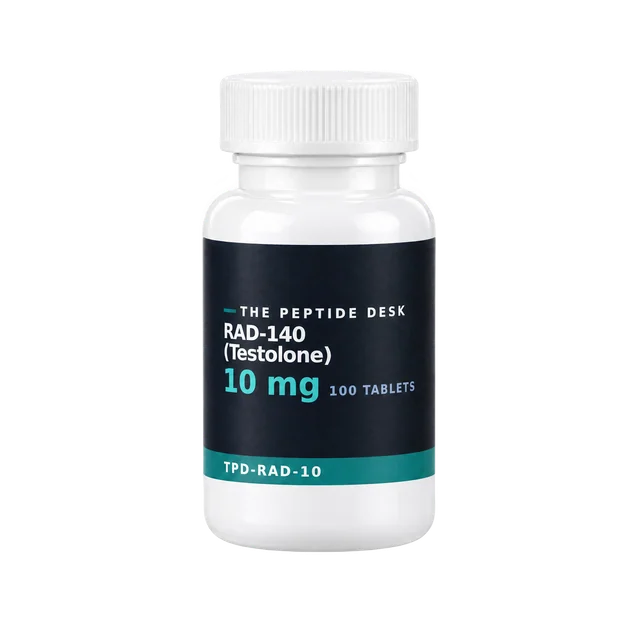
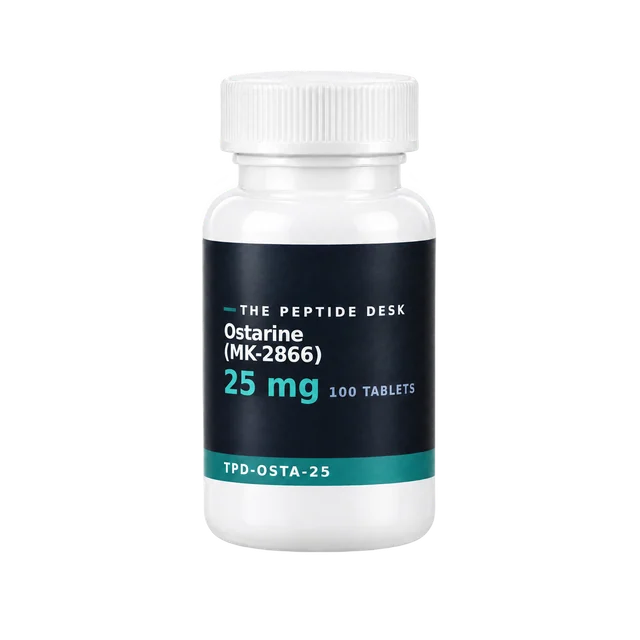

ACP-105

