This information is for research and educational purposes only. No medical recommendations. Products are not approved for human use. For health questions, consult a doctor.

Lexicon

Lipo Mino Mix

Lipotropic injection blend designed to support fat metabolism research.

1 min read 8 sources

Glass vial with red solution and a black TPD label on a white podium, next to it several small blue 3D molecules in a bright lab, symbolic image for Lipo Mino Mix
No study of its own · not approved

Summary

At a glance

Sources checked on 26 Oct 2026

On the mix itself
0 studies

neither in the trial registry nor in PubMed, as of 26 Oct 20265

Organ dysfunction without choline
77 %

Men on a low-choline diet: fatty liver or muscle damage1

Until fatty liver returned
10 weeks

after choline was stopped in intravenous nutrition2

Free of metabolic syndrome
20 %

after 12 months of oral inositol, on placebo 1 of 40 women3

  • Lipo Mino Mix is a mix of lipotropic substances, typically methionine, inositol and choline. There is no study on the mix itself, all data come from studies on single components.5678
  • Choline is essential for the liver: on a low-choline diet 77 percent of men and 80 percent of postmenopausal women developed fatty liver or muscle damage.1
  • In intravenous nutrition added choline improved the liver on CT and lowered liver enzymes. 10 weeks after stopping, fatty liver returned.2
  • Oral inositol improved blood sugar and blood lipid values over 12 months in women with metabolic syndrome, weight and waist size did not change.3
  • Fishy body odour occurred only in the choline group in one study. Everything here is the state of research, not a recommendation.4
Profile

Updated June 2026

Class
Lipotropic injection blend
Use
Fat metabolism research
Form
Oil

10ml bottle

Status
Research substance
Sizes
10 ml

1 size in the shop

Contents 12 sections
  1. At a glance
  2. What is Lipo Mino Mix?
  3. How it works
  4. Application and dosing
  5. What the research shows
  6. Research status
  7. Side effects
  8. Storage
  9. Related compounds
  10. FAQ
  11. Glossary
  12. Sources

What is Lipo Mino Mix?

Lipo Mino Mix is an injection blend typically composed of lipotropic factors such as methionine, inositol and choline compounds. These substances are used in research contexts to support fat metabolism studies.

The formula is supplied in 10ml bottles with an oil carrier and is designed for use in controlled research protocols.

This information is for research and educational purposes only. No medical advice.

How it works

Lipotropic factors support fat mobilization and breakdown through multiple mechanisms:

  • Methionine: Essential amino acid involved in lipid metabolism and methylation reactions
  • Inositol: Component of phosphatidylinositol, important in cell signaling and lipid metabolism
  • Choline: Precursor to acetylcholine and phosphatidylcholine, supports liver function and lipid transport

Where it acts

Where the components acted in studies

Tap a point or a card. All observed in studies on single components, not with the mix.

  1. Liver

    Less liver fat with choline, without choline fatty liver returned2

    Observed in trials
  2. Muscle

    Muscle damage on a low-choline diet1

    Observed in trials
  3. Blood sugar and blood lipids

    Better values after 12 months of inositol3

    Observed in trials
  4. Weight and waist

    Unchanged on inositol compared with placebo3

    Observed in trials
  5. Skin (body odour)

    Fishy odour only in the choline group4

    Observed in trials
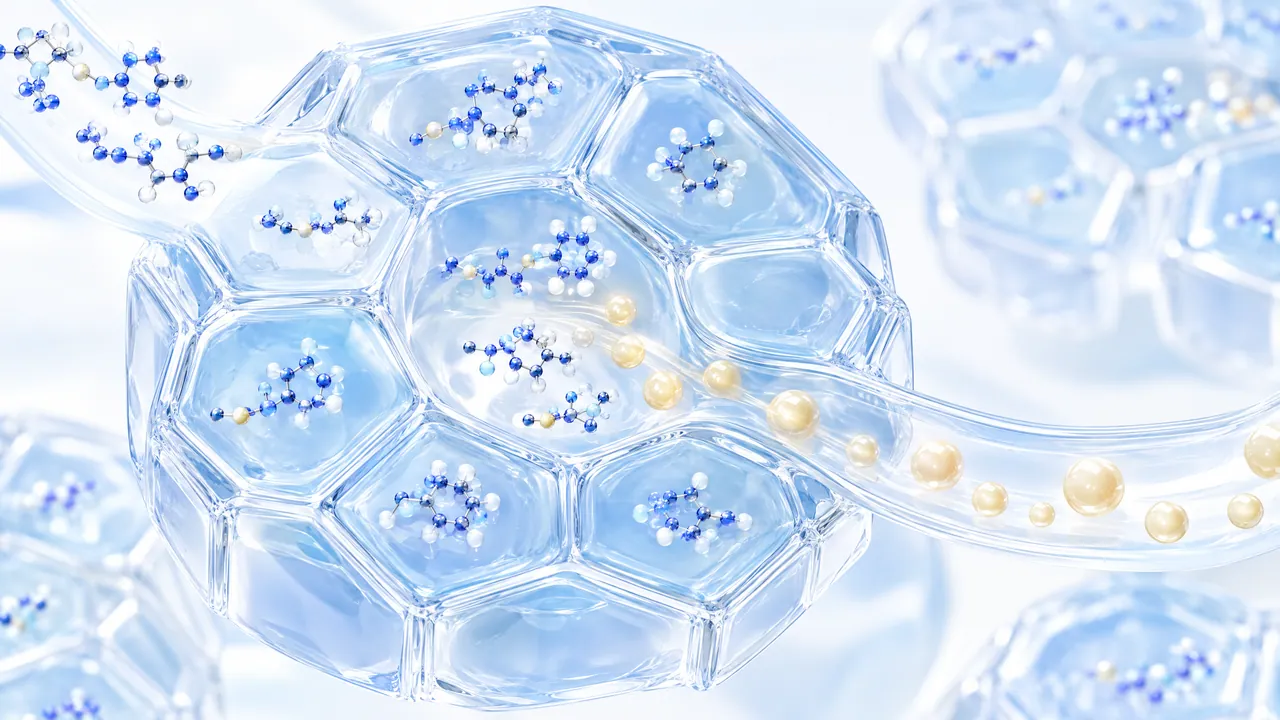
Transparent honeycomb-like cell structure with small blue 3D molecules in each chamber, a tube carries golden fat droplets out
Lipotropic substances are meant to support fat transport out of the liver. Symbolic image.

Application and dosing

Dosing

Dosing, titration and syringe

Loading the dosing information …

  • Getting started and stepping up, drawn as a staircase
  • Units on the U-100 syringe for every step
  • How long one vial lasts
Glass vial with red solution and a black TPD label, in front of it a disposable syringe with a blue needle cap on a white table
Symbolic image.

What the research shows

Individual components such as choline compounds and inositol have shown in literature to support lipid metabolism and liver function. Research on choline compounds suggests roles in fatty liver prevention and lipid transport. Combination studies examining synergistic effects of these lipotropic blends are limited. Most evidence is based on individual components rather than the proprietary formulation itself.

Study results

What the trials measured

Interactive: switch tabs, tap points, show or hide arms. Arms are named relative to each other, no dosing advice.

Organ dysfunction on a low-choline diet1

Share with fatty liver or muscle damage, 57 healthy adults, up to 42 days

Men1
Low-choline diet 77%
Postmenopausal women1
Low-choline diet 80%
Premenopausal women1
Low-choline diet 44%

Organ function returned to normal once choline was added back. Oestrogen promotes the body's own production, which fits the difference. Choline was tested via diet here, not as an injection.

Liver in intravenous nutrition2

Density on CT in Hounsfield units, higher means less fat, 15 patients

Liver density2 after 4 weeks
Placebo or no supplement 5.8 HU
With choline (component) 13.3 HU
Liver to spleen difference2
Placebo or no supplement 1.3 HU
With choline (component) 10.6 HU

Randomised against usual intravenous nutrition without supplement, 24 weeks. The liver enzyme ALT fell significantly in the choline group. 10 weeks after stopping, fatty liver returned.

Metabolic syndrome after 12 months3

Share free of metabolic syndrome, 80 postmenopausal women, all on a low-calorie diet

Free of metabolic syndrome3 8 of 40 against 1 of 40
Placebo or no supplement 2.5%
With inositol (component) 20.0%

Inositol was taken orally, not injected. Blood sugar, insulin, triglycerides, cholesterol and blood pressure improved against placebo, weight and waist size did not.
Three test tubes with pale yellow liquid, a small liver model in the first, clusters of fat cells in the others
The data come from studies on single components, mainly on the liver. Symbolic image.

Research status

Where the research stands

There is no registered trial on the mix itself. The components were studied separately, mostly orally or in intravenous nutrition. As of 26 Oct 2026. 5

  1. Preclinical Studies on single components
  2. Phase 1 no registered trial
  3. Phase 2 no registered trial
  4. Phase 3 no registered trial
  5. Approval not yet
Not approved and no study on the mix. Choline, inositol and methionine are body or food substances and are described in PubChem.5

So far there is no registered trial in humans. 5

Side effects

  • Local: Pain, swelling, or erythema at injection site
  • Gastrointestinal: Nausea or mild stomach upset (more common with rapid injection)
  • Systemic: Fishy body odor (associated with choline compounds), headache
  • Rare: Allergic reactions to carrier or components

Storage

Store at room temperature, protected from light. Refrigeration is not required. Keep bottle tightly capped after use. Inspect for cloudiness or particles before use. Use within 8 weeks of opening.
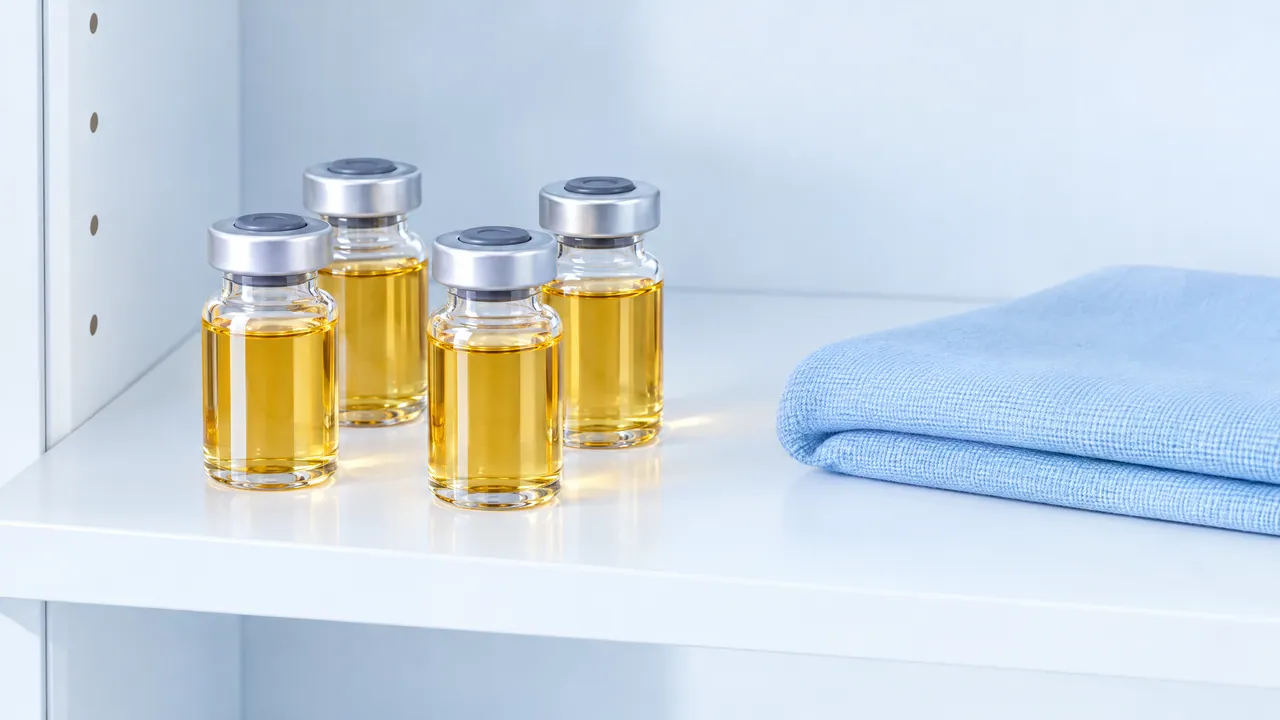
Four glass vials with golden oil on a white shelf, next to them a folded light blue cloth
Store at room temperature and protected from light, keep the bottle tightly closed. Symbolic image.

Related

Related compounds

Same components or a different path: all in the TPD lexicon.

FAQ

Common questions about Lipo Mino Mix

Short answers, each backed by the sources below.

What is in Lipo Mino Mix?

According to the TPD lexicon a mix of lipotropic substances, typically methionine, inositol and choline. Methionine is a sulphur-containing amino acid, inositol a building block of cell signals and choline a precursor of phosphatidylcholine for fat transport from the liver. All three are nutrients.876

Are there studies on Lipo Mino Mix?

No. Neither ClinicalTrials.gov nor PubMed lists a study on this mix or on lipotropic injections of this kind (as of 26 October 2026). All numbers here come from studies on single components, mostly taken orally or given through intravenous nutrition.5

Why is choline important for the liver?

In one study 57 healthy adults ate a low-choline diet for up to 42 days. 77 percent of men, 80 percent of postmenopausal and 44 percent of premenopausal women developed fatty liver or muscle damage, which normalised with choline. In intravenous nutrition added choline improved the liver on CT, after stopping fatty liver returned.12

What is known about inositol?

In a study with 80 postmenopausal women with metabolic syndrome all followed a low-calorie diet and half also took oral myo-inositol. After 12 months blood sugar, insulin, blood lipids and blood pressure improved against placebo and 20 percent no longer had metabolic syndrome against 1 of 40 on placebo.3

Does the mix help with weight loss?

That has not been shown. There is no study on the mix. In the inositol study weight and waist size did not change against placebo even though blood values improved. The choline studies mainly show what happens in a deficiency.531

Which side effects have been described?

There are no data on the mix. In a small 9-month study with choline side effects were the same in both groups with one exception: fishy body odour occurred only in the choline group. The lexicon describes it too.4

Glossary

Terms explained briefly

Dotted words in the text open these explanations directly.

Choline
Nutrient from which the body makes phosphatidylcholine and the messenger acetylcholine.
Fatty liver
Too much fat in the liver cells. On CT the liver then appears less dense.
Hounsfield unit (HU)
Measure of density on CT. A fatty liver has lower values.
Inositol
Sugar-like building block of cell membranes and messengers. Myo-inositol is the most common form.
Intravenous nutrition
Nutrition given as an infusion when eating via the gut is not enough (parenteral nutrition).
Lipotropic
Substances that support fat transport out of the liver and are meant to counter fatty liver.
Metabolic syndrome
Combination of belly fat, high blood pressure, raised blood sugar and unfavourable blood lipids.
Methionine
Sulphur-containing amino acid from food. The body makes an important methyl group donor from it.
Phosphatidylcholine
Building block of cell membranes and of the shells that carry fat in the blood.
Placebo
Dummy preparation without active substance. Comparing against it shows what is due to the substance itself.

Evidence

Sources

Show all 8 sourcesHide sources 4 Studies1 Trial registry3 Database checked 26 Oct 2026

Studies

  1. Choline requirement: organ dysfunction on a low-choline diet

    Fischer et al., American Journal of Clinical Nutrition, 2007

    Checked 26 Oct 2026 via doi.org, Crossref, PubMed
  2. Choline in intravenous nutrition, randomised

    Buchman et al., Journal of Parenteral and Enteral Nutrition, 2001

    Checked 26 Oct 2026 via doi.org, Crossref, PubMed
  3. Myo-inositol in postmenopausal metabolic syndrome

    Santamaria et al., Climacteric, 2012

    Checked 26 Oct 2026 via doi.org, Crossref, PubMed
  4. Tolerability of choline over 9 months

    Wozniak et al., Nutrition Research, 2013

    Checked 26 Oct 2026 via doi.org, Crossref, PubMed

Trial registry

  1. Search on ClinicalTrials.gov

    ClinicalTrials.gov, U.S. National Library of Medicine

    Checked 26 Oct 2026 via ClinicalTrials.gov API v2

Database

  1. Choline in PubChem

    PubChem, U.S. National Library of Medicine (CID 305)

    Checked 26 Oct 2026 via PubChem
  2. Inositol in PubChem

    PubChem, U.S. National Library of Medicine (CID 892)

    Checked 26 Oct 2026 via PubChem
  3. Methionine in PubChem

    PubChem, U.S. National Library of Medicine (CID 6137)

    Checked 26 Oct 2026 via PubChem

In the shop

Lipo Mino Mix in the catalog

Sizes, prices and shipping times are on the product page.

To the product