This information is for research and educational purposes only. No medical recommendations. Products are not approved for human use. For health questions, consult a doctor.

Lexicon

SHRED

Lipotropic injection formula designed to support fat loss research.

1 min read 6 sources

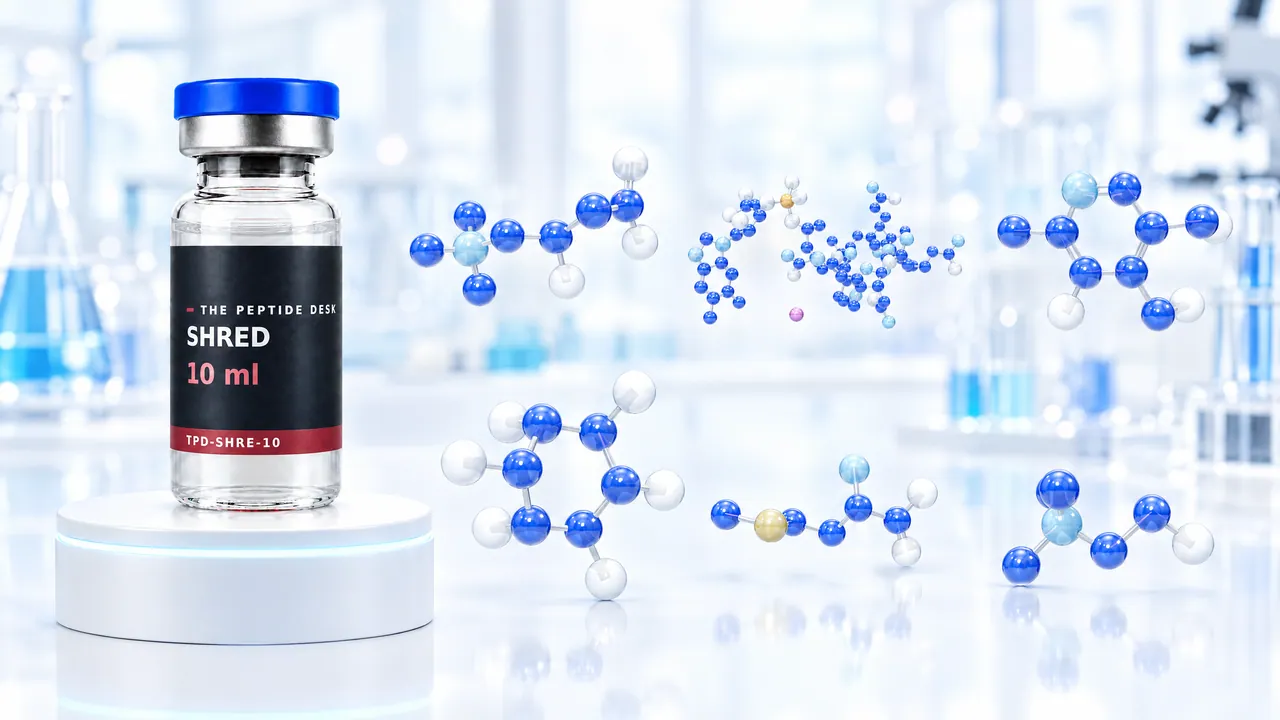
Vial with blue cap and the black TPD label of SHRED on a white podium, next to it several floating blue 3D molecules in a bright lab
No study of its own · not approved

Summary

At a glance

Sources checked on 26 Oct 2026

On the formula itself
0 studies

neither in the trial registry nor in PubMed, as of 26 Oct 20264

L-carnitine, meta-analysis
37 trials

randomised, 2,292 participants in total, taken by mouth1

Fat mass with L-carnitine
-2.08 kg

versus control, body weight -1.21 kg1

Carnitine in muscle
+21 %

after 24 weeks, together with carbohydrates that raise insulin2

  • SHRED is a lipotropic injection formula in oil. The lexicon does not name which compounds exactly it contains.
  • There is no study on the formula itself, neither in the trial registry nor in PubMed. The entry names carnitine and choline derivatives as typical components of such formulas.45
  • L-carnitine is the best studied: in 37 randomised trials body weight fell by 1.21 kg and fat mass by 2.08 kg, taken by mouth.1
  • Carnitine gets into muscle with difficulty: only together with carbohydrates that raise insulin did its content rise by 21 percent after 24 weeks. For choline there is only one small study with 22 female athletes.23
  • The formula is not approved. The effects of the single compounds are small. Everything here is the state of research, not a recommendation.6
Profile

Updated June 2026

Class
Lipotropic injection formula
Use
Fat loss research
Form
Oil

10ml

Status
Research substance
Sizes
10 ml

1 size in the shop

Contents 12 sections
  1. At a glance
  2. What is SHRED?
  3. How it works
  4. Application and dosing
  5. What the research shows
  6. Research status
  7. Side effects
  8. Storage
  9. Related compounds
  10. FAQ
  11. Glossary
  12. Sources

What is SHRED?

SHRED is an oil-based injection formula developed for research contexts around fat loss and metabolism. The formula is supplied in 10ml bottles and contains ingredients used in controlled research protocols to study body composition and fat loss mechanisms.

This information is for research and educational purposes only. No medical advice.

Comparison

Lipotropic products in the lexicon

Fat metabolism products in the TPD lexicon, as described there. Tap a card to open its entry.

For SHRED and SUPER SHRED the lexicon does not name the composition. None of the formulas has a study of its own. 4

How it works

Lipotropic formulas work through multiple biological pathways to support fat loss. Typical mechanisms include:

  • Increased lipolysis through metabolic stimulation
  • Enhanced liver function and lipid transport
  • Modulation of fat mobilization signaling pathways
  • Support of mitochondrial energy production

Where it acts

Where the typical components acted

Grey = seen in studies on L-carnitine, not on the formula.
  1. Fat tissue

    L-carnitine: fat mass 2.08 kg lower than control (meta-analysis)1

    Observed in trials
  2. Skeletal muscle

    L-carnitine with carbohydrates: more carnitine in muscle, less glycogen use2

    Observed in trials
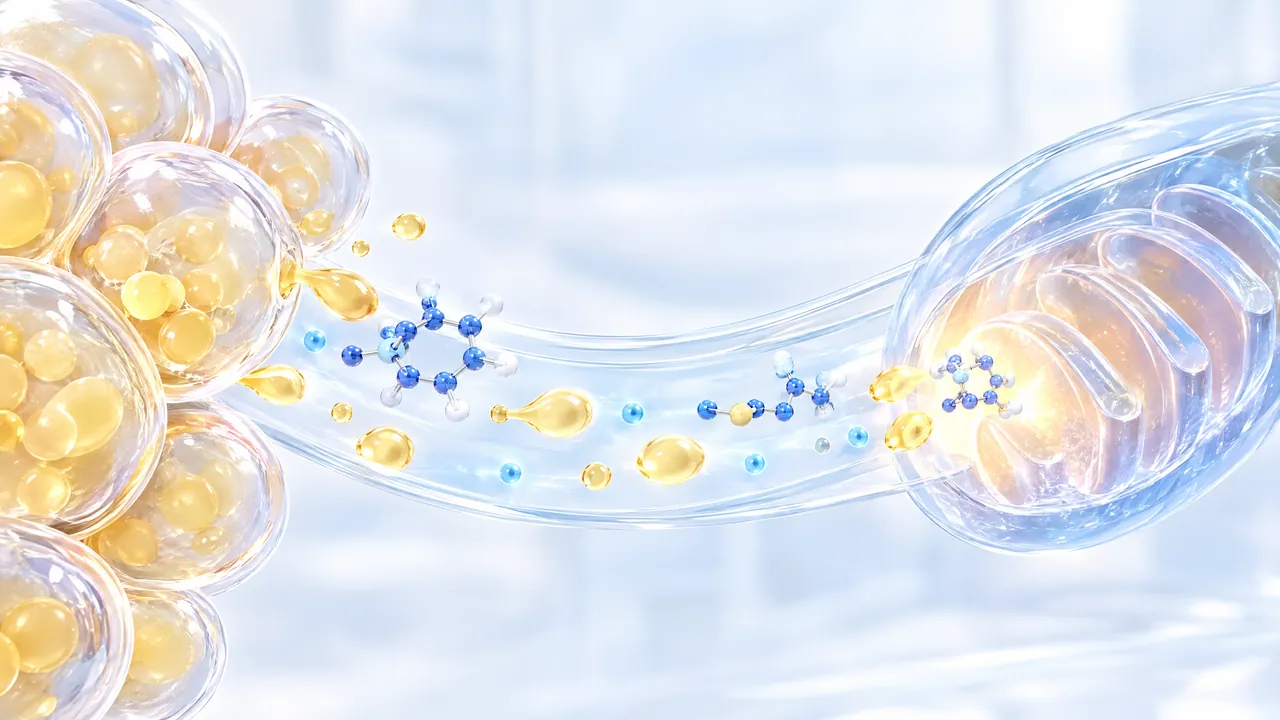
Golden fat cells on the left, a glass channel with blue molecules and fat droplets leading to a glowing mitochondrion on the right
Lipotropic substances are meant to move fat from storage to be burned. Symbolic image.

Application and dosing

Dosing

Dosing, titration and syringe

Loading the dosing information …

  • Getting started and stepping up, drawn as a staircase
  • Units on the U-100 syringe for every step
  • How long one vial lasts
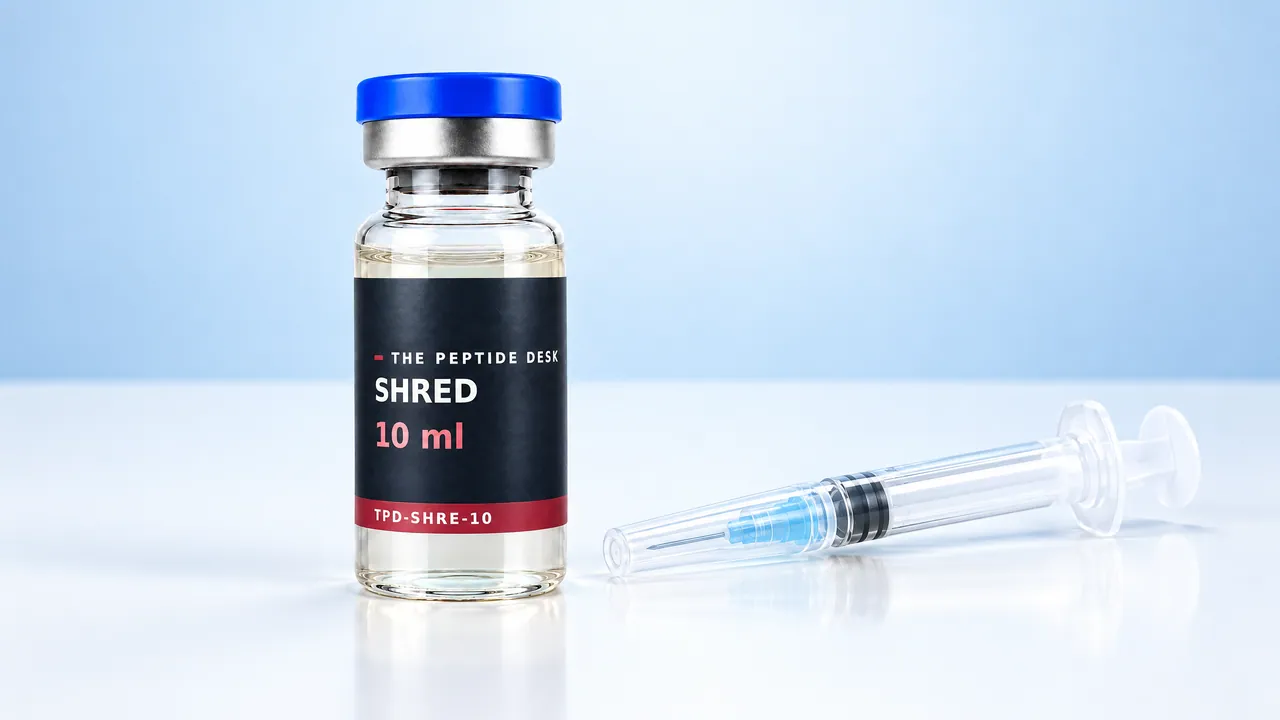
SHRED vial with the black TPD label and a disposable syringe on a white surface
Oil base, injection per research protocol. Symbolic image.

What the research shows

Research on lipotropic blends is fragmented. Individual components in typical formulas - such as carnitine, choline derivatives and other fat metabolism factors - have separate evidence bases. Combination studies specific to this proprietary formulation are not available. Existing literature suggests lipotropic factors are involved in fat metabolism, but clinical significance remains contested.

Study results

What the trials measured

Interactive: switch tabs, tap points, show or hide arms. Arms are named relative to each other, no dosing advice.

Weight and fat mass with L-carnitine1

Difference to control in kg, 37 randomised trials with 2,292 participants

Body weight1
L-carnitine by mouth (meta-analysis) -1.21 kg
Fat mass1
L-carnitine by mouth (meta-analysis) -2.08 kg

BMI fell by 0.24 while waist circumference and body fat percentage did not change. Only the effect on weight held up in the high-quality trials. Taken by mouth, not injected.

Carnitine in muscle and performance2

Change in percent after 24 weeks, 14 healthy men, double-blind

Carnitine content in muscle2
L-carnitine with carbohydrates, 24 weeks +21%
Carbohydrates only (control) 0%
Work output in the test2
L-carnitine with carbohydrates, 24 weeks +11%
Carbohydrates only (control) 0%

The carbohydrates were meant to raise insulin. According to the authors the first proof that muscle carnitine can be raised through diet. At light exercise the muscle used 55 percent less glycogen, a sign of more fat burning.
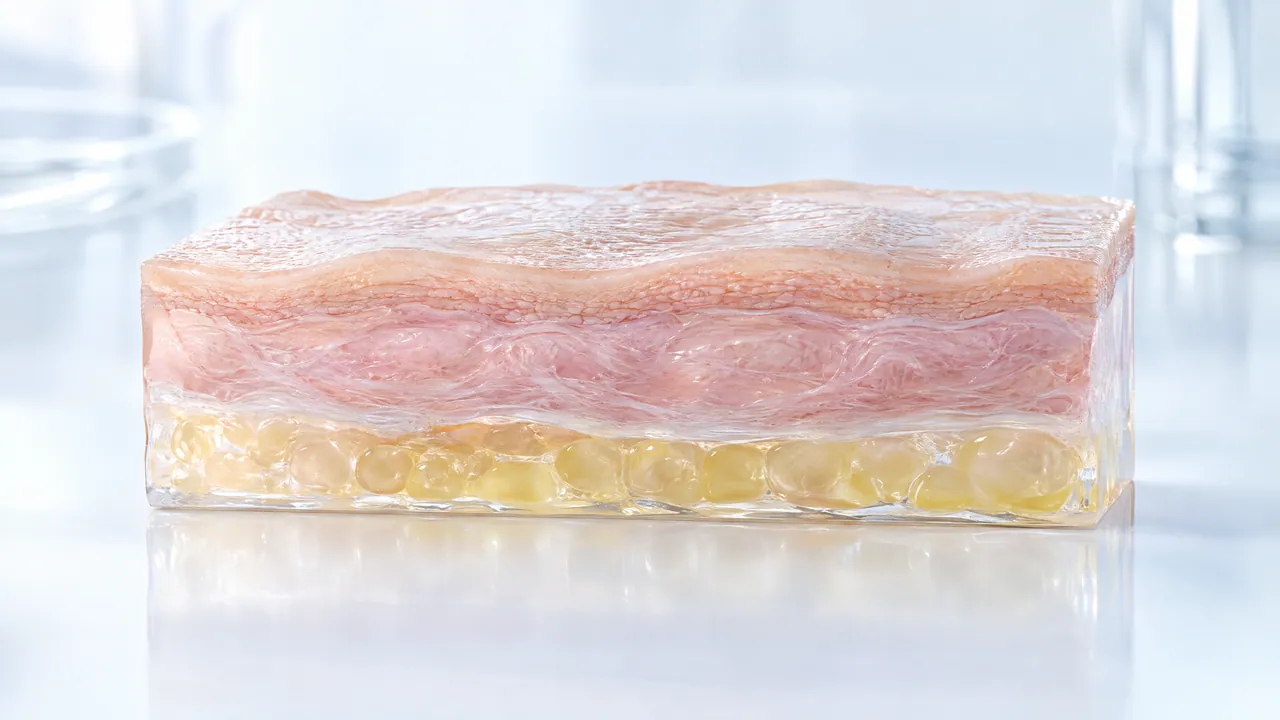
Glass tissue block with pink skin layers on top and yellow fat cells below
There is no study on the formula, only data on single compounds. Symbolic image.

Research status

Where the research stands

There is no registered trial on the formula. Because the entry does not name the components, the research status shows no trials on single compounds either. As of 26 Oct 2026.

  1. Preclinical No animal or cell study on the formula
  2. Phase 1 no registered trial
  3. Phase 2 no registered trial
  4. Phase 3 no registered trial
  5. Approval not yet
The formula is not approved. L-carnitine itself (levocarnitine) is listed by ChEMBL as an approved drug since 1985.4

So far there is no registered trial in humans.

Side effects

  • Local: Pain, swelling, erythema, or induration at injection site
  • Systemic: Nausea, headache, mildly elevated body temperature
  • Metabolic: Accelerated pulse, nervousness (if stimulating components are present)
  • Rare: Allergic skin reactions, infection risk if non-sterile technique

Storage

Store at room temperature, protected from light. Refrigeration is not required. Keep tightly capped after use. Visually inspect for contaminants before use. Use within 8 weeks of opening.
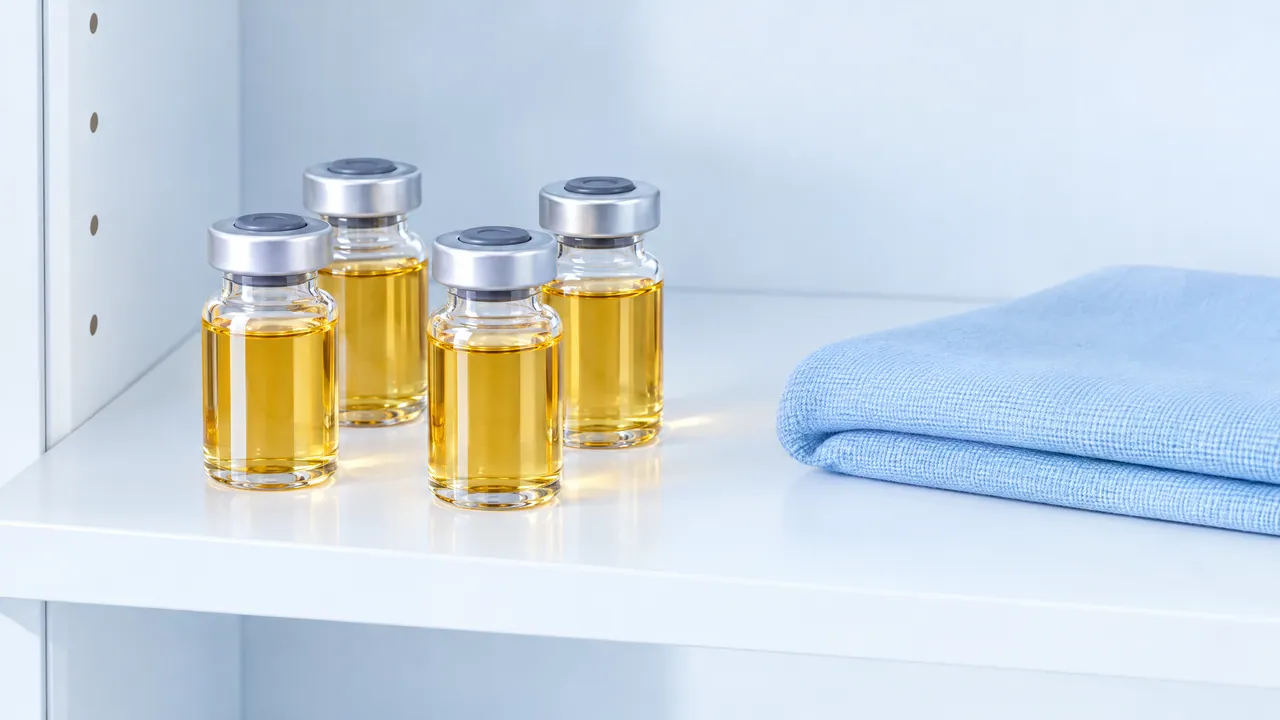
Four glass vials with golden oil on a white shelf, next to a folded light blue cloth
Room temperature, protected from light, use within 8 weeks of opening. Symbolic image.

Related

Related compounds

Same goals: all in the TPD lexicon.

FAQ

Common questions about SHRED

Short answers, each backed by the sources below.

Are there studies on SHRED?

No. As of 26 October 2026 there is no study on the formula, neither on ClinicalTrials.gov nor in PubMed. PubMed also lists no paper with the term lipotropic injection in the title or abstract. Only single compounds have been studied, mostly taken by mouth.45

What is in SHRED?

According to the lexicon ingredients to support fat loss in an oil base, supplied in 10 ml bottles. The entry does not name which compounds are included or in what amounts. As typical components of lipotropic formulas it names carnitine and choline derivatives.

What does research on L-carnitine show?

A meta-analysis of 37 randomised trials with 2,292 participants found on average 1.21 kg less body weight and 2.08 kg less fat mass than in the control groups. Waist circumference and body fat percentage did not change, in the high-quality trials only the effect on weight remained. The authors call the effect modest, mostly in people with overweight.1

Does carnitine even get into muscle?

Only with difficulty. In one study 14 healthy men took L-carnitine together with carbohydrates that raise insulin for 24 weeks. Carnitine content in muscle rose by 21 percent, with carbohydrates alone it did not. At light exercise the muscle spared glycogen and work output in the test rose by 11 percent.2

What is known about choline?

Very little. A small study gave 22 female combat athletes choline tablets one week before competition. Body weight fell while leptin and choline levels changed, the authors saw no side effects on blood values or strength.3

Which side effects are known?

There are no study data for SHRED. The entry names pain, swelling or redness at the injection site, plus nausea, headache and a faster pulse with stimulating components. Working non-sterile carries a risk of infection.

Is SHRED approved?

No, SHRED is a research substance. L-carnitine itself has been approved as levocarnitine since 1985 according to ChEMBL, but that says nothing about the formula. Everything here is the state of research, not a recommendation.6

Glossary

Terms explained briefly

Dotted words in the text open these explanations directly.

Choline
Nutrient the liver needs for fat transport. Without it fat can build up in the liver.
Fat mass
The part of body weight that is fat, measured for example by a body scan.
Glycogen
Stored sugar in muscle and liver that delivers energy quickly.
Injection site
The spot where the injection goes in. Changing spots irritates the tissue less.
Insulin
Hormone from the pancreas. It rises after carbohydrates and moves sugar into cells, it also helps carnitine into muscle.
L-carnitine
A substance made by the body that carries fatty acids into the mitochondria, where they are burned.
Lipolysis
The breakdown of stored fat into fatty acids that can then be burned.
Lipotropic
Substances involved in fat metabolism and fat transport in the liver, for example choline, methionine, inositol or carnitine.
Meta-analysis
Analysis that pools the results of many studies on one question.
Mitochondria
The power plants of the cell. Fatty acids and sugar are burned for energy here.

Evidence

Sources

Show all 6 sourcesHide sources 3 Studies1 Trial registry2 Database checked 26 Oct 2026

Studies

  1. Meta-analysis: L-carnitine, weight and body composition

    Talenezhad et al., Clinical Nutrition ESPEN, 2020

    Checked 26 Oct 2026 via doi.org, Crossref, PubMed
  2. L-carnitine with carbohydrates raises muscle carnitine

    Wall et al., Journal of Physiology, 2011

    Checked 26 Oct 2026 via doi.org, Crossref, PubMed
  3. Choline and rapid weight loss in female combat athletes

    Elsawy et al., Journal of Human Kinetics, 2014

    Checked 26 Oct 2026 via doi.org, Crossref, PubMed

Trial registry

  1. Registry search for the formula and lipotropic injections (0 results)

    ClinicalTrials.gov, U.S. National Library of Medicine

    Checked 26 Oct 2026 via ClinicalTrials.gov API v2

Database

  1. PubMed search for lipotropic injections (0 results)

    PubMed, U.S. National Library of Medicine

    Checked 26 Oct 2026 via PubMed E-utilities
  2. Levocarnitine (L-carnitine) in ChEMBL

    ChEMBL, EMBL-EBI (CHEMBL1149)

    Checked 26 Oct 2026 via ChEMBL

In the shop

SHRED in the catalog

Sizes, prices and shipping times are on the product page.

To the product