This information is for research and educational purposes only. No medical recommendations. Products are not approved for human use. For health questions, consult a doctor.

Lexicon

Tesofensine

The triple monoamine reuptake inhibitor - fat loss via dopamine, noradrenaline and serotonin.

2 min read 4 sources

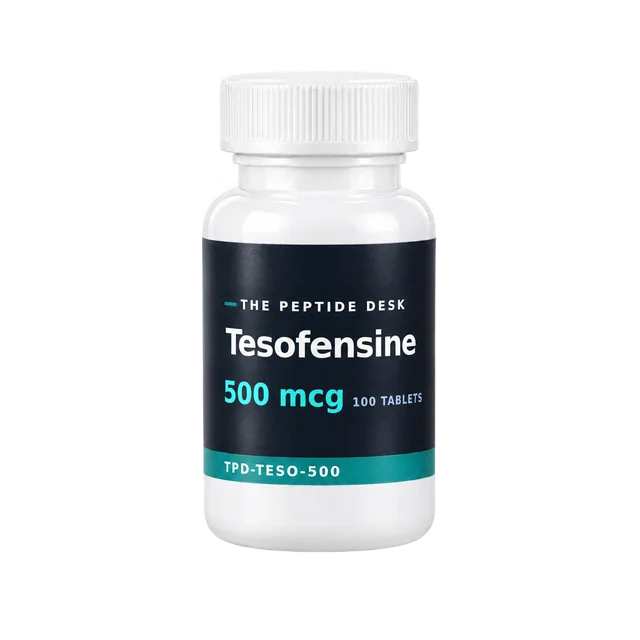
White tablet bottle with a black TPD label for tesofensine on a white podium, next to it a blue and green 3D molecule in a bright lab
Phase 2 · not approved

Summary

At a glance

Sources checked on 26 Oct 2026

Body weight after 24 weeks
-10.6 %

highest level in phase 2 with diet, diet plus placebo -2.0%1

Phase 2 trial
203 participants

obesity, three levels versus placebo, 161 completed the trial1

Heart rate
+7.4 beats/min

middle level after 24 weeks, blood pressure without significant rise1

Weight in 2 weeks
-1.8 kg

versus placebo with unchanged food, 32 men2

Fat oxidation per day
+18 g

over 24 hours in the respiration chamber, versus placebo2

  • According to ChEMBL tesofensine inhibits the transporters for serotonin, dopamine and noradrenaline. The three messengers stay longer in the synaptic cleft.4
  • In a phase 2 trial with 203 people with obesity weight fell by up to 10.6 percent after 24 weeks with diet, by 2.0 percent with diet and placebo.1
  • A trial with 32 men mainly showed more satiety. Energy expenditure over 24 hours did not change, fat oxidation rose.2
  • Dry mouth, nausea, constipation, diarrhoea and insomnia were common. Heart rate rose by 7.4 beats per minute at the middle level.1
  • Tesofensine is not approved, the highest phase in the registry is phase 2. Everything here is the state of research, not a recommendation.43
Profile

Updated June 2026

How long does it stay in the body?

Share left after one dose, calculated with a half-life of ~9 days

Half-life ~9 days
After 18 days: 25 %
Day 1, next dose · 93 %Day 9 · 50 %Day 18 · 25 %Day 27 · 12.5 %Day 45 · 3.1 %

Simplified model without an absorption phase, half-life from the TPD lexicon.

Class
Triple monoamine reuptake inhibitor

DA/NE/5HT

Use
Oral

1 capsule per day

Half-life
about 9 days
Status
Research

phase 2 completed, not approved

Sizes
500 mcg

1 size in the shop

Contents 14 sections
  1. At a glance
  2. What is tesofensine?
  3. How it works
  4. How to take it
  5. Dosing
  6. What the research shows
  7. Research status
  8. Side effects
  9. Interactions
  10. Storage
  11. Related compounds
  12. FAQ
  13. Glossary
  14. Sources

What is tesofensine?

Tesofensine (also NS2330) is a synthetic triple monoamine reuptake inhibitor - it simultaneously inhibits the reuptake of dopamine, noradrenaline and serotonin in the brain. Originally tested for Alzheimer's and Parkinson's but disappointing there.

The exciting effects came unexpectedly: strong reduction in appetite and body fat. Phase 2 trials in obesity showed impressive results. After long legal issues around further development, tesofensine currently runs in Mexico under brand names as an anti-obesity drug.

Comparison

Three approaches to weight

Tesofensine acts on three messengers in the brain, GLP-1 agonists through a gut hormone, orlistat in the gut. Tap a card to open its entry.

According to ChEMBL: tesofensine inhibits the transporters for serotonin, dopamine and noradrenaline, semaglutide activates the GLP-1 receptor, orlistat inhibits gastric and pancreatic lipases. 4

How it works

Tesofensine elevates three neurotransmitters in the synaptic cleft:

  • Dopamine: motivation, reward system - reduces "hedonic eating" (eating for pleasure).
  • Noradrenaline: alertness, energy - raises basal metabolic rate and physical activity.
  • Serotonin: satiety - reduces appetite via hypothalamus pathways.

This triple action is potent. Tesofensine shows significantly stronger fat-loss effects in studies than all currently approved oral anti-obesity drugs - with the exception of the GLP-1 class.

Where it acts

Where tesofensine acted in studies

Tap a point or a card. Colour = transporter, grey = observed in studies.

  1. Brain

    More satiety and fullness, lower expected food intake than on placebo2

    SERTDATNET
  2. Fat tissue

    Weight down by up to 10.6 percent after 24 weeks, fat oxidation +18 g per day1

    Observed in trials
  3. Heart

    Heart rate +7.4 beats per minute at the middle level1

    Observed in trials

Targets in the ChEMBL database4

Compound CHEMBL3989690: three recorded mechanisms, all Reuptake inhibitor.
Serotonin transporter
Gene
SLC6A4
UniProt
P31645
ChEMBL
CHEMBL228
Action
Reuptake inhibitor
Dopamine transporter
Gene
SLC6A3
UniProt
Q01959
ChEMBL
CHEMBL238
Action
Reuptake inhibitor
Noradrenaline transporter
Gene
SLC6A2
UniProt
P23975
ChEMBL
CHEMBL222
Action
Reuptake inhibitor
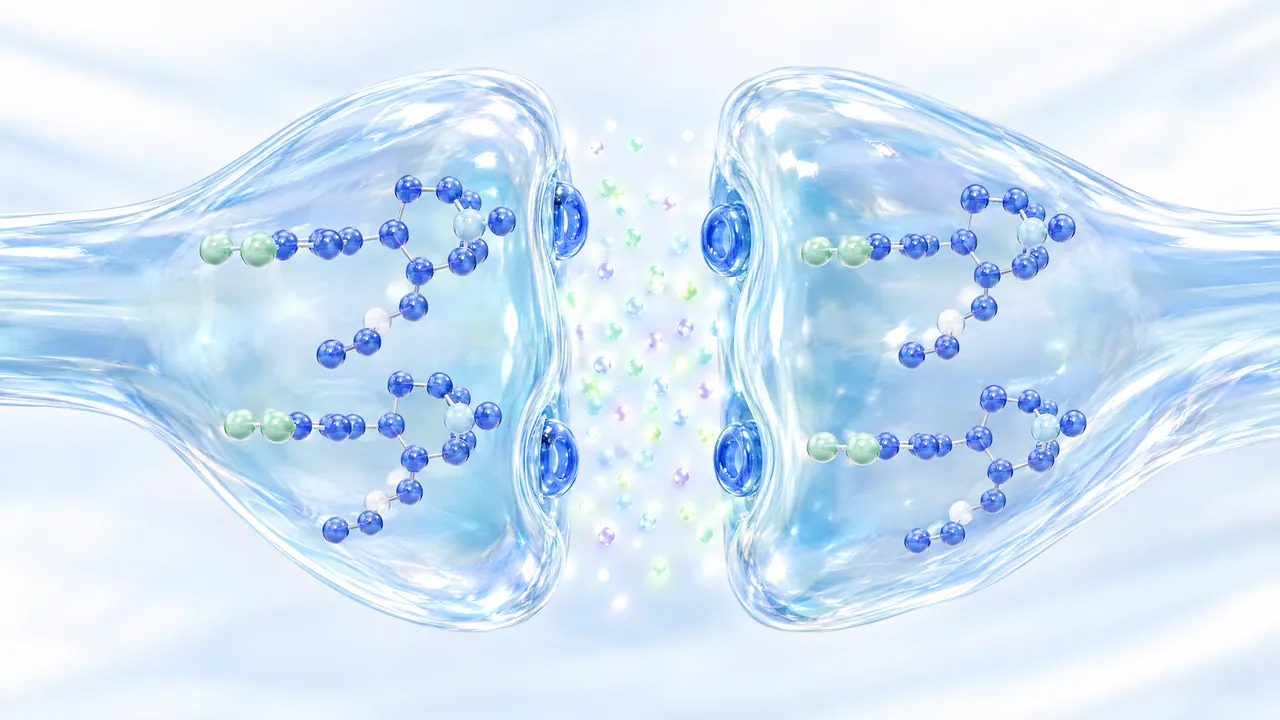
Two glassy nerve endings face each other with glowing particles and blue-green molecules in between
Tesofensine keeps three messengers longer in the synaptic cleft. Symbolic image.

How to take it

Oral capsule, once per day.

  • 1 capsule with some water, in the morning.
  • Morning is important: tesofensine is markedly stimulating and can disrupt sleep.
  • On an empty stomach or with light food.
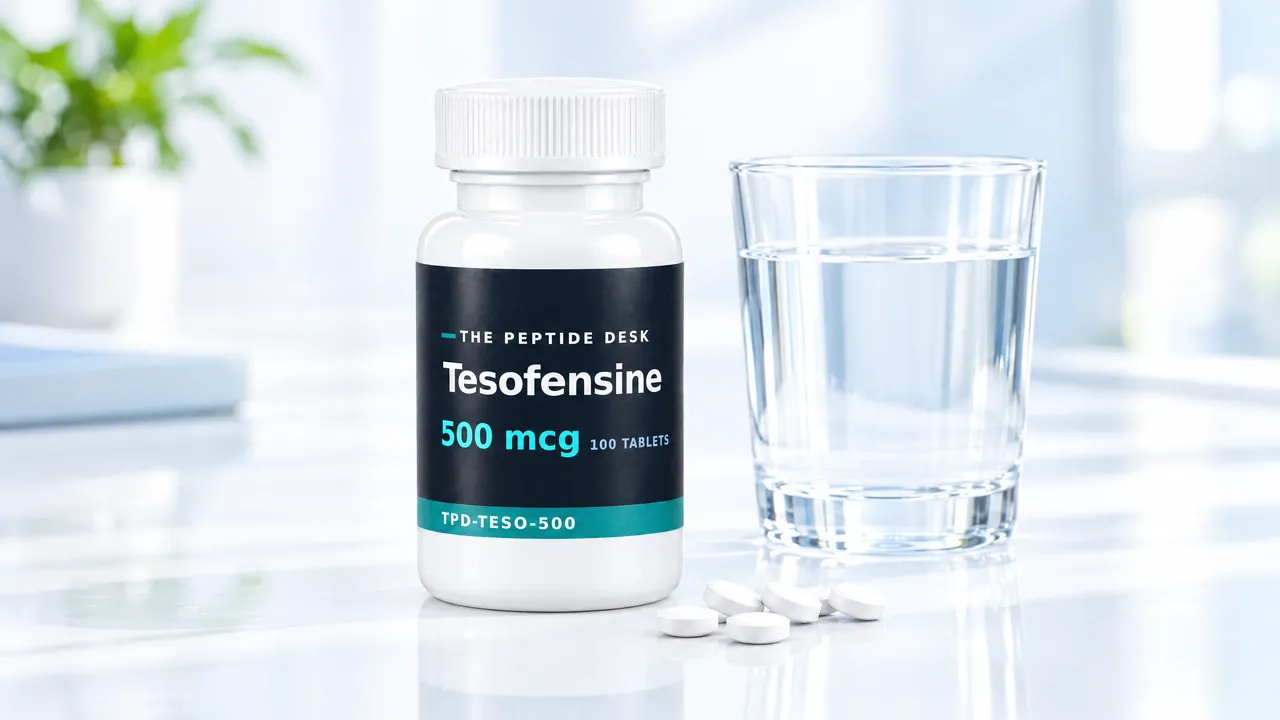
White tablet bottle with a black TPD label for tesofensine, next to it several tablets and a glass of water
Once a day in the morning with some water. Symbolic image.

Dosing

Dosing

Dosing, titration and syringe

Loading the dosing information …

  • Getting started and stepping up, drawn as a staircase
  • Units on the U-100 syringe for every step
  • How long one vial lasts

What the research shows

Tesofensine has compact but strong data in obesity research:

  • Astrup et al. 2008: in a 6-month phase 2 study, patients on 0.5mg lost on average about 9% body weight - back then stronger than any other oral agent.
  • Sjödin et al. 2010: in a 2-week study in 32 overweight men, satiety and fat oxidation rose while total 24-hour energy expenditure stayed unchanged. So the effect runs mainly through appetite.

Phase 3 was delayed by legal issues, now running again in Latin American markets.

Study results

What the trials measured

Interactive: switch tabs, tap points, show or hide arms. Arms are named relative to each other, no dosing advice.

Body weight after 24 weeks1

Mean change in percent, 203 people with obesity, all on a calorie-reduced diet

Weight change1
Diet plus placebo -2.0%
Level 1 (lowest) -4.5%
Level 2 (middle) -9.2%
Level 3 (highest in phase 2) -10.6%

Values from the abstract (modified intention-to-treat analysis). 79 percent completed the trial. The authors call for confirmation in phase 3.

Difference to placebo after 2 weeks2

32 men with overweight, food and activity were to stay unchanged

Fat oxidation over 24 hours (g)2
Difference to placebo +18.0%
Energy expenditure at night (%)2 adjusted for body composition
Difference to placebo +4.6%
Body weight (kg)2
Difference to placebo -1.8%

Values from the abstract. Energy expenditure over 24 hours did not differ. Satiety and fullness were higher, expected food intake lower.

Glass brain on a wooden stand on a bright desk, in front of it an empty plate with a fork
Trials on weight, appetite and energy expenditure. Symbolic image.

Research status

Where the research stands

Tesofensine used to be called NS2330 and was first tested in Parkinson's and Alzheimer's disease. ClinicalTrials.gov lists 13 trials, the highest is phase 2, no phase 3 trial is registered there. Later trials combine it with metoprolol. As of 26 Oct 2026. 3

  1. Preclinical Basis: inhibition of the monoamine transporters
  2. Phase 1 2 trials, 2 completed
  3. Phase 2 8 trials, 8 completed
  4. Phase 3 no registered trial
  5. Approval not yet
Not approved: ChEMBL lists tesofensine with phase 2 as the highest phase, the registry lists no phase 3 trial.4
Show all 8 phase 2 trials on a timelineHide timeline 8 completed 0 running 1 with results
Phase 2

Bar: start to primary endpoint (planned for running trials). Green = completed, blue = progress until 26 Oct 2026. Phase 1: 2 trials on safety and pharmacokinetics, not shown as bars.

Side effects

  • Elevated blood pressure and heart rate: via the noradrenaline effect. Caution with pre-existing hypertension.
  • Sleep disturbance: common, especially in the first weeks and with evening dosing.
  • Dry mouth: classic anticholinergic symptom.
  • Irritability / mood swings: rare but more likely at higher doses.

Interactions

Strict contraindication with MAO inhibitors, SSRIs, SNRIs and other serotonergic substances - serotonin syndrome risk. Also avoid methylene blue, tramadol, MDMA and similar.

Storage

Store dry, cool and protected from light, out of reach of children.
Three white capsule bottles on a bright shelf next to a folded light blue towel
Store dry, cool and protected from light. Symbolic image.
Level · Tesofensine

How the level builds up

One dose per day: each dose adds to what is left of the previous one.

Lexicon: Oral, 1 capsule per day
Peak 13.49×Trough 12.49×
Day 23 · 24. dose
11.37× of the first dose
Plateau
from Day 38

95 % of the plateau after dose 39

Peak
13.49×

of the first dose

Trough
12.49×

before the next dose

Simplified model, values relative to the first dose, no dosing information. Dashed: the first dose alone, green: the plateau.

Related

Related compounds

A different path: all in the TPD lexicon.

FAQ

Common questions about Tesofensine

Short answers, each backed by the sources below.

Is tesofensine approved?

No. ChEMBL lists tesofensine with phase 2 as the highest phase. ClinicalTrials.gov lists 13 trials, none in phase 3, as of 26 October 2026.43

How much did weight fall in the phase 2 trial?

203 people with obesity received a calorie-reduced diet and one of three levels or placebo. After 24 weeks weight fell by 4.5, 9.2 and 10.6 percent, by 2.0 percent on placebo. The authors called for confirmation in phase 3.1

Does it work through appetite or energy expenditure?

Mainly through appetite. In a trial with 32 men satiety and fullness rose and expected food intake fell. Energy expenditure over 24 hours stayed the same, only at night it was 4.6 percent higher. Fat oxidation rose by 18 g per day.2

What happens to pulse and blood pressure?

In the phase 2 trial heart rate rose by 7.4 beats per minute at the middle level. The low and middle levels did not significantly raise blood pressure after 24 weeks. Later trials test the combination with the beta blocker metoprolol.13

Which side effects occurred?

Most common were dry mouth, nausea, constipation, hard stools, diarrhoea and insomnia. The checked abstract gives no shares per group.1

Why was it first tested in Parkinson's and Alzheimer's?

Tesofensine raises dopamine, noradrenaline and serotonin in the brain. Under the name NS2330 several phase 2 trials ran on Parkinson's and Alzheimer's, the three largest with 945 participants in total. After that development switched to obesity.34

Glossary

Terms explained briefly

Dotted words in the text open these explanations directly.

Dopamine
Messenger for drive and reward.
Half-life
Time until half of a compound in the blood has been cleared.
MAO inhibitor
Compounds that slow the breakdown of messengers such as serotonin.
Noradrenaline
Messenger for alertness, it also raises pulse and blood pressure.
Obesity
Severe overweight, usually from a BMI of 30.
Placebo
Dummy preparation without active substance. Comparing against it shows what is due to the substance itself.
Reuptake inhibitor
Compound that blocks transporters which pull messengers back into the nerve cell after the signal. The messengers act for longer.
Serotonin
Messenger that influences mood and satiety, among other things.
Serotonin syndrome
Dangerous overactivity from too much serotonin, for example with agitation, fever and muscle twitching.
SSRI
Selective serotonin reuptake inhibitors, a group of antidepressants.
Synaptic cleft
Narrow gap between two nerve cells across which messengers pass the signal.

Evidence

Sources

Show all 4 sourcesHide sources 2 Studies1 Trial registry1 Database checked 26 Oct 2026

Studies

  1. Phase 2 trial on weight, body composition and quality of life

    Astrup et al., The Lancet, 2008

    Checked 26 Oct 2026 via doi.org, Crossref, PubMed
  2. Energy expenditure and appetite on tesofensine, 2 weeks

    Sjödin et al., International Journal of Obesity, 2010

    Checked 26 Oct 2026 via doi.org, Crossref, PubMed

Trial registry

  1. All trials with tesofensine on ClinicalTrials.gov

    ClinicalTrials.gov, U.S. National Library of Medicine

    Checked 26 Oct 2026 via ClinicalTrials.gov API v2

Database

  1. Tesofensine, semaglutide, tirzepatide and orlistat in ChEMBL (targets and status)

    ChEMBL, EMBL-EBI (CHEMBL3989690, CHEMBL2108724, CHEMBL4297839, CHEMBL175247)

    Checked 26 Oct 2026 via ChEMBL

In the shop

Tesofensine in the catalog

Sizes, prices and shipping times are on the product page.

To the product