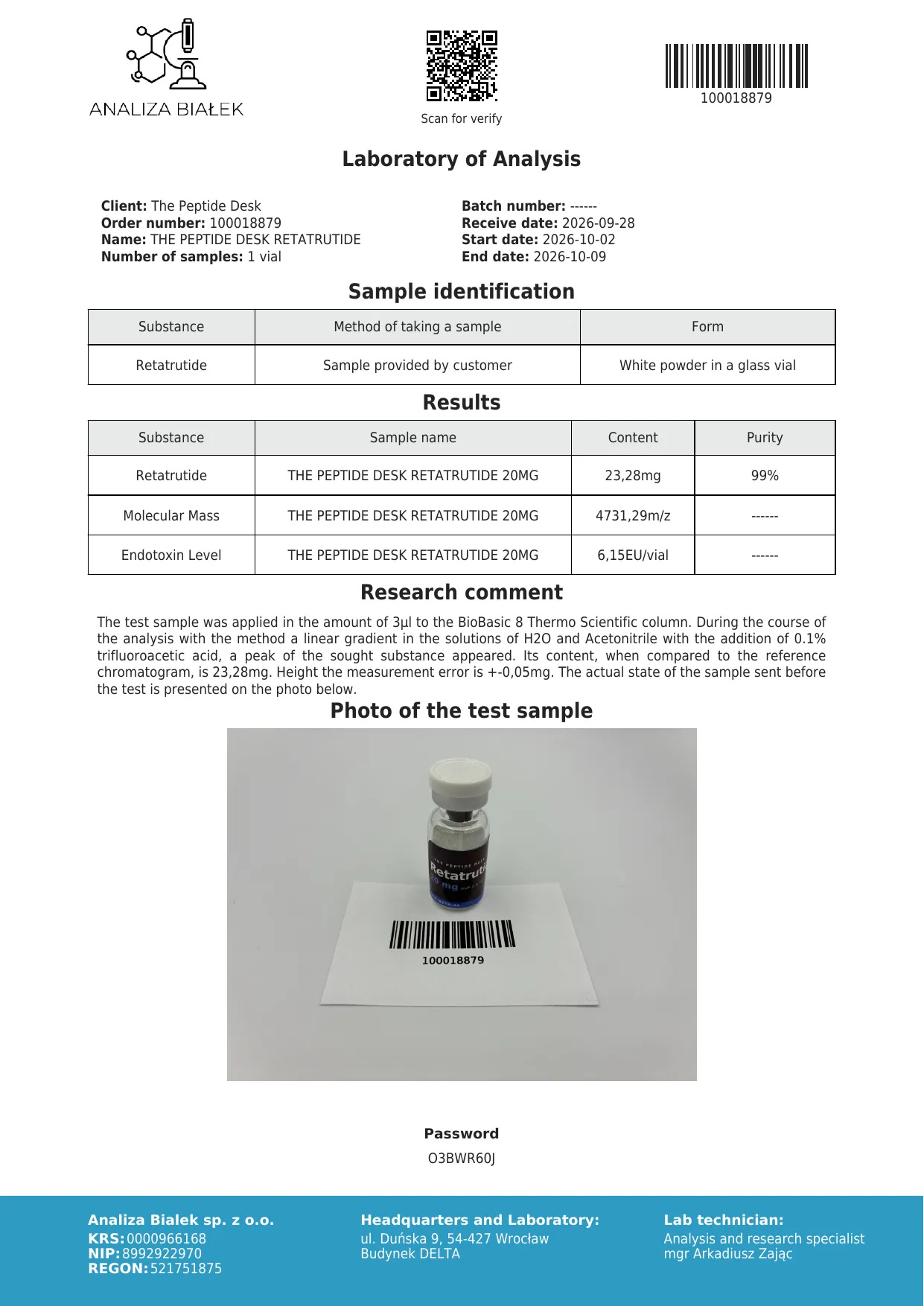

Description
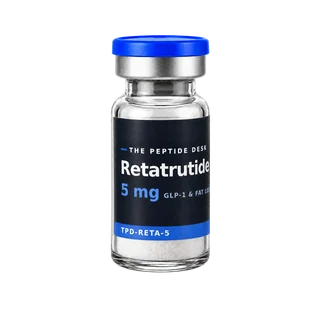
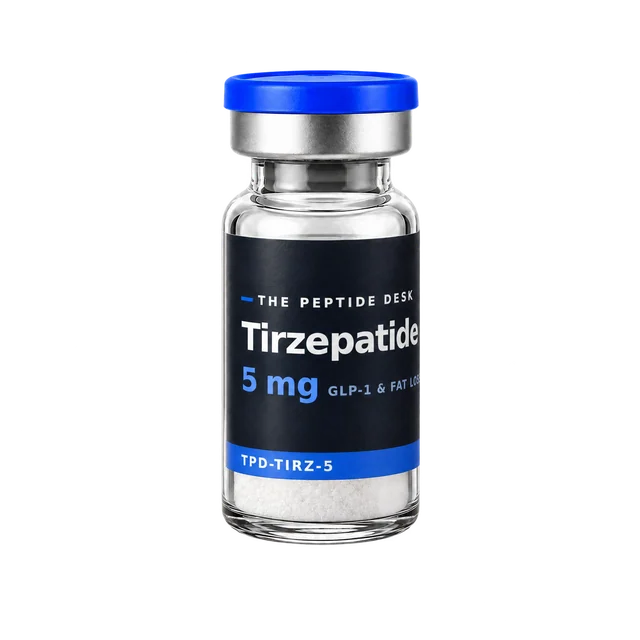
Retatrutide (LY3437943) marks the third stage of incretin-based research: a triple agonist that simultaneously activates GLP-1, GIP and glucagon receptors. Where Tirzepatide addresses two receptor systems, Retatrutide adds the glucagon pathway. Glucagon activation is associated in research with increased energy expenditure and enhanced lipid breakdown, extending the dual mechanism further.
In Phase 2 studies, Retatrutide produced body weight reductions of up to 24.2 percent after 48 weeks in research models with obese subjects. This places it among the most potent compounds investigated in its class. In research on metabolic dysfunction-associated steatotic liver disease, liver fat reductions exceeding 80 percent were observed. Phase 3 data from the TRIUMPH program is currently providing further evidence.
Retatrutide has a half-life of approximately six days and is administered subcutaneously on a weekly schedule. The substance is a single protein conjugated with a fatty acid chain that extends its residence time. Compared to endogenous ligands, Retatrutide is approximately nine times more potent at the GIP receptor.
You can order Retatrutide in 10-vial packs with sizes ranging from 5mg to 60mg per vial. Due to the higher potency per study reports, lower dosing windows per vial are often sufficient in many protocols.
This information is for research and educational purposes only. No medical recommendations.
Risks & Safety
Retatrutide is considered generally well tolerated per study reports, although as a triple agonist the documented profile is strongly shaped by gastrointestinal effects and is dose-dependent in the Phase 2 data.
Observed in studies and user reports:
- Gastrointestinal effects: nausea, vomiting, diarrhea and constipation are the most commonly documented observations, with a clear correlation to the speed of dose escalation. Slow titration reduces the incidence.
- Appetite and fluids: the strongly reduced appetite lowers food and fluid intake in studies. The literature describes an elevated risk of dehydration.
- Heart rate: the literature documents mild increases in heart rate attributed to the glucagon component, which is noted given the high potency.
- Muscle mass and gallbladder: weight loss involves a portion of muscle mass alongside fat mass. Gallbladder issues during rapid weight loss are documented.
- No long-term data: Retatrutide is a comparatively new compound. Robust long-term human data do not yet exist.
This classification does not replace medical advice. Risk and responsibility for any actual use lie entirely with the buyer.
Studies
- Triple-Hormone-Receptor Agonist Retatrutide for Obesity - A Phase 2 Trial - NEJM 2023: First Phase 2 data on obesity research with the triple agonist.
- Triple hormone receptor agonist retatrutide for MASLD - Nature Medicine 2024: Phase 2a study on effects on liver fat profile.
- Retatrutide - A Game Changer in Obesity Pharmacotherapy - Biomolecules 2025: Current review article on the pharmacology.
- Efficacy and safety of retatrutide - systematic review and meta-analysis - Baylor 2025: Meta-analysis of all available randomized trials.